Kamogawa River: Kyoto’s Best Running Track and a Dream for Indonesian Runners
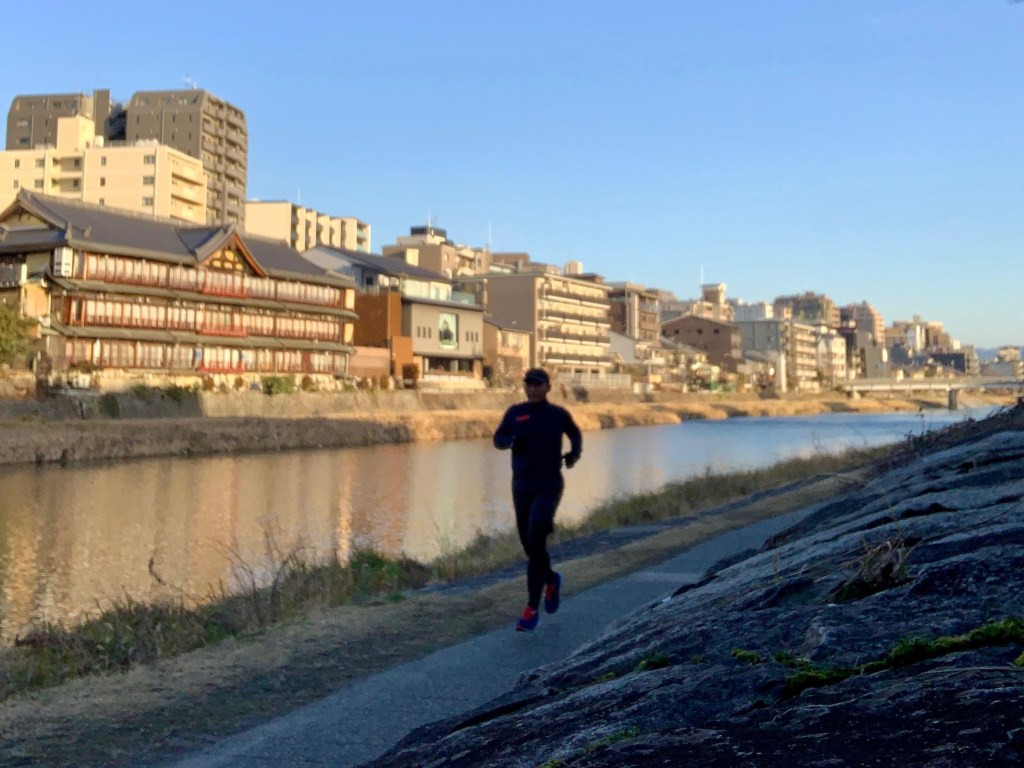
Running along the Kamogawa River in Kyoto is a unique experience that combines the peace of nature with the vibrancy of city life. The path that runs along the river is a runner’s paradise, offering not only a well-maintained surface but a safe and scenic environment that blends seamlessly into the heart of Kyoto. For anyone who’s ever run in a busy city, the Kamogawa River is the kind of space that every urban runner dreams about. It’s not just a river—it’s a cultural gem, a fitness haven, and a symbol of how urban planning can enhance a city’s quality of life.
The Perfect Running Path in Kyoto
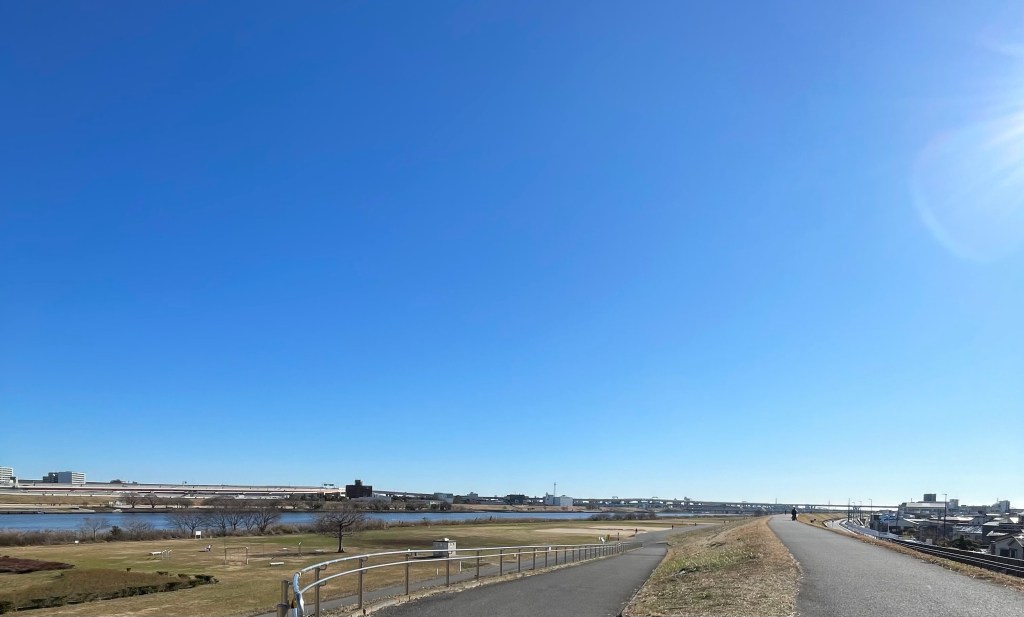
The Kamogawa River stretches across Kyoto, running from the northern mountains of the city to the southern outskirts. Its path is divided into clear, well-maintained walking and running tracks on both sides. The flat, wide lanes make it perfect for runners of all levels. Whether you’re someone looking to build endurance or a more experienced runner, Kamogawa offers a pace-friendly environment. The serene atmosphere and beautiful surroundings add an extra layer of enjoyment, making every run feel less like a workout and more like an opportunity to experience the city’s natural beauty.
A Runner’s Paradise—Safe and Peaceful
What makes the Kamogawa River such an ideal track isn’t just its landscape, but its design. The running path is separate from the main roads, ensuring that runners are safe from traffic. It is a place where you can run without worrying about sudden traffic noises or navigating through crowded sidewalks. Unlike other urban spaces, Kamogawa offers peace and solitude, especially in the early mornings and evenings when the city is still or winding down. This quiet space allows for a more immersive running experience, encouraging both physical fitness and mental clarity.
A Blend of Nature and Urban Life
The beauty of Kamogawa isn’t just in the running path itself—it’s in the surroundings. As you run, you’re treated to picturesque views of the river’s flowing water, vibrant green trees, and the occasional historical bridge. Along the way, you’ll also pass by traditional Kyoto buildings, giving you a blend of nature and history that few other places can offer. The contrast between modern life and Kyoto’s historical charm is palpable, and it makes running along this river more than just a physical activity—it becomes a cultural journey.
Perfect for All Types of Runners
Whether you’re an experienced marathoner, a weekend jogger, or someone just getting into the running routine, the Kamogawa River caters to everyone. The path is long enough for extended runs but easy enough for a light jog. With a mixture of peaceful nature and friendly surroundings, it invites both locals and tourists alike to run, walk, or cycle at their own pace. The riverbank is also filled with people from all walks of life, creating a sense of community, while still offering enough space for privacy and solitude during runs.
Why Kamogawa River is a Dream for Indonesian Runners
For many runners in Indonesia, especially in cities like Jakarta, finding safe and accessible places to run is a challenge. The lack of proper public spaces, coupled with heavy traffic and pollution, means that runners often have to navigate through unsafe and crowded roads. In contrast, the Kamogawa River offers a solution to this problem—a dedicated track with natural beauty, safety, and quietude. If Indonesia had a river system as thoughtfully maintained as the Kamogawa, it could provide not just a space for exercise, but an urban rejuvenation for its residents.
The Potential for Indonesia’s Own Kamogawa
In cities like Jakarta, the Ciliwung River flows through the heart of the capital, but it remains largely untapped for recreational purposes. Imagine if this riverbed were transformed into a well-maintained running track, just like Kamogawa. Not only would it encourage more people to run and be active, but it would also serve as a cleaner, more organized space for communities to come together. Indonesia has many rivers and waterfronts, but much of them are underutilized or contaminated. By focusing on improving the infrastructure around these natural spaces, Indonesian cities could create their own version of Kamogawa, encouraging both fitness and environmental awareness.
A Call for Better Urban Planning in Indonesia
The Kamogawa River is a product of thoughtful urban planning and respect for nature. It shows how urban spaces can be transformed into places that support a healthy lifestyle and provide beauty and tranquility for all. For Indonesian cities to have something similar, it requires forward-thinking planning that takes into account the need for green spaces, clean environments, and safe places for the public to exercise. Investing in the revitalization of existing rivers or creating new green corridors could help foster an active culture in Indonesia, much like what has been achieved along the Kamogawa.
Running Beyond the Track: Community Building
In Kyoto, running along the Kamogawa is not just about fitness—it’s about community. You’ll see groups of runners, families, couples, and even elderly people strolling along the banks. The space brings people together in a way that’s safe and inclusive, regardless of age or fitness level. This is something Indonesia could benefit from, where running tracks and accessible spaces could encourage healthier lifestyles, reduce stress, and build stronger communities. A similar riverbed running track could create a collective sense of ownership and pride, making public spaces something to cherish and care for.
The Vision for Indonesia’s Running Future
As a runner from Indonesia, it’s easy to dream about the Kamogawa River—how much better running would be if we had more safe, accessible paths like it. Imagine the Ciliwung or other rivers being transformed into spaces like Kamogawa, where runners can feel safe, connected to nature, and part of a larger community. For Indonesia, this is more than just a dream—it’s a possibility. It’s about rethinking how we use our rivers, how we design our cities, and how we invest in public health. With the right infrastructure, we too can have running paths that are not just functional, but beautiful and inspiring.

 Rundefeated
Leave a comment