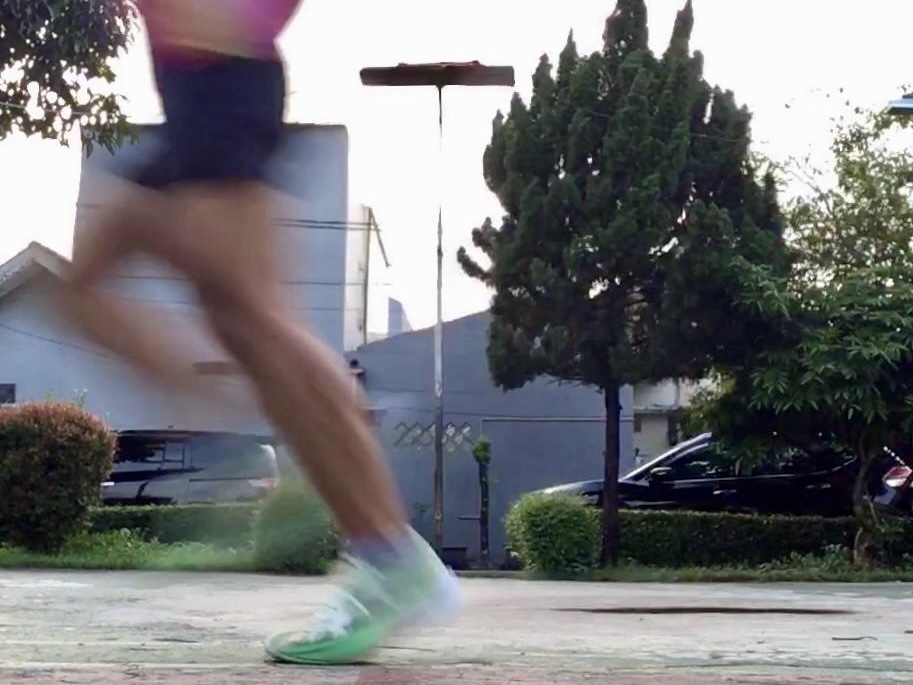
Why It’s Perfectly Okay to Run Slow After 35—Especially in Tropical Climates
Many people believe that running needs to be fast to be effective—but that’s simply not true. For runners over 35, especially those living in hot and humid tropical countries, slow running can be not only acceptable but highly beneficial. Whether you’re returning to exercise, dealing with joint concerns, or just trying to stay healthy, running at a slower pace might be exactly what your body needs.
Running Slow Still Counts as Real Exercise
One of the biggest misconceptions in fitness is that speed equals progress. In reality, slow running, especially for those over 35, provides excellent cardiovascular benefits without placing excessive stress on the body. It strengthens the heart, improves circulation, and helps manage weight—all without pushing your joints to the limit. This is particularly important in tropical regions, where the heat and humidity can increase the risk of overheating or dehydration if you run too hard.
Why Slower Running is Better for Older Runners
As we age, our bodies naturally change. Muscles take longer to recover, joints may feel stiffer, and our risk for injury increases. Slow running helps reduce that risk while still keeping you active. It also allows for more consistent training, which is key to long-term health. Instead of focusing on pace, older runners should prioritize consistency, endurance, and how their body feels during the run—especially in warmer climates where conditions can be harsh.
Slow Runs Help You Stay Cooler in Tropical Heat
Running in a tropical country means dealing with intense sunlight, high temperatures, and heavy humidity. Running slowly helps you manage your body temperature better and avoid heat exhaustion. It allows your body to adapt to the heat, keep your heart rate in a safe zone, and prevent burnout. Even seasoned runners in tropical countries often adjust their pace to the weather—and that’s a smart move.
Mental and Emotional Benefits of Running Slow
Running isn’t just about physical health; it’s also a powerful tool for managing stress and improving mental clarity. Slow running encourages mindfulness, helps you enjoy your surroundings, and reduces pressure to “perform.” For runners over 35, many of whom are juggling work, family, and health goals, slow running can be a form of moving meditation—especially when done early in the morning or during the cooler hours in the evening.
Slower Pace, Longer Distance (and Time)
One hidden benefit of running slow is that it often allows you to run longer. Without the pressure to push hard, you can focus on endurance and enjoy your time on the road or trail. For runners in tropical countries, where heat can limit your running time, slow and steady runs in the early morning or after sunset are often the safest and most effective way to build endurance over time.
Running Slow Helps Build a Lifelong Habit
Fitness is a marathon, not a sprint—especially after age 35. Running slow makes it easier to stick with your routine, avoid injury, and continue improving gradually. Many professional coaches even recommend “easy pace” runs for experienced athletes. So if you’re in a tropical country and worried that your slower pace means you’re not doing enough—don’t be. You’re doing what’s best for your body.
Listen to Your Body, Not Your Watch
It’s easy to get caught up in pace statistics or compare yourself to younger or faster runners, but your body’s needs should always come first. Hot climates, age, and individual fitness levels all play a role in how fast you should run. The goal is to move, stay active, and feel good—not to hit a specific number. Embrace your pace, and run with purpose, not pressure.

 Rundefeated
Leave a comment