
How to run safely and comfortably in snowy conditions if you’re used to tropical climates.
1. Why Running in the Snow Is a Challenge for Tropical Runners
If you’re from a tropical country like Indonesia, where temperatures often hover around 30°C, the idea of running in the snow can feel overwhelming. For runners used to heat and humidity, adjusting to cold weather running is more than a wardrobe change—it’s a full-body and mindset shift. The good news? With the right preparation, snow running can be safe, invigorating, and even fun.
2. Breathing in Cold Air: Tips for Tropical Runners
Cold, dry air can take your breath away—literally. Unlike the humid air of tropical environments, winter air is much drier and can irritate your lungs. To reduce discomfort, breathe through your nose or use a light face covering to warm the air before it reaches your lungs. Start your run slowly to allow your body to acclimate and don’t worry if you feel out of breath more quickly—your lungs will adapt over time.
3. How to Dress for Snow Running: Layering Tips
One of the most important cold weather running tips is learning how to layer properly. Start with a moisture-wicking base layer, add an insulating mid-layer (like fleece or wool), and finish with a windproof, water-resistant outer shell. Tropical runners often underestimate the importance of keeping extremities warm—so don’t forget gloves, thick socks, and a hat. Avoid cotton, as it traps moisture and leads to chills.
4. Choosing the Right Running Shoes for Snow and Ice
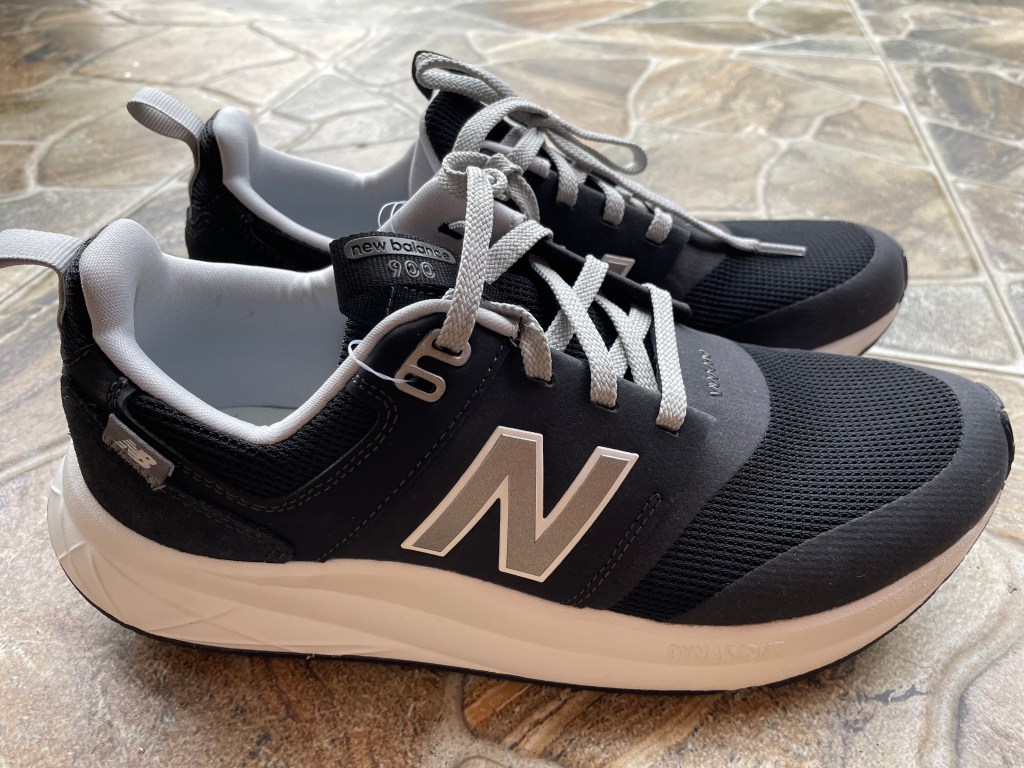
Regular road running shoes might not cut it in snowy or icy conditions. Look for trail running shoes with aggressive tread or add traction aids like Yaktrax or microspikes. If you expect deeper snow, consider using gaiters to keep snow out of your shoes. Proper footwear can dramatically reduce your risk of slipping and make snow running much more enjoyable.
5. Pacing Yourself: Slower Runs in Snow Are Normal
Running in the snow requires more energy and balance than on dry pavement. Don’t aim for speed—focus on effort and safety. Shorten your stride and keep your steps quick and light to maintain stability. Tropical runners should expect to run slower in cold weather, and that’s perfectly fine. Snowy runs build strength, stability, and endurance in a whole new way.
6. Warm-Up, Cool-Down, and Recovery Tips
Cold weather tightens muscles, making a proper warm-up essential. Start with dynamic stretches indoors before heading out. After your run, change out of damp clothes immediately—even if you don’t feel sweaty. Your base layer will hold moisture, and staying in it too long can lead to chills or even hypothermia. Drink water, too—hydration is still crucial in cold climates.
7. Why Tropical Runners Should Embrace Snow Running
Beyond the challenges, running in the snow offers a beautiful, peaceful experience you can’t get in the tropics. Snow muffles sound, adds a visual serenity to your surroundings, and creates a unique connection with nature. Embrace the change in pace, enjoy the quiet, and celebrate the fact that you’re running in conditions most people avoid. It’s not just training—it’s an adventure.
Final Thoughts:
If you’re a tropical runner planning to experience winter conditions or visiting a snowy destination, don’t be intimidated. With the right gear and mindset, snow running can expand your running journey in exciting and unforgettable ways.





 Rundefeated
Leave a comment