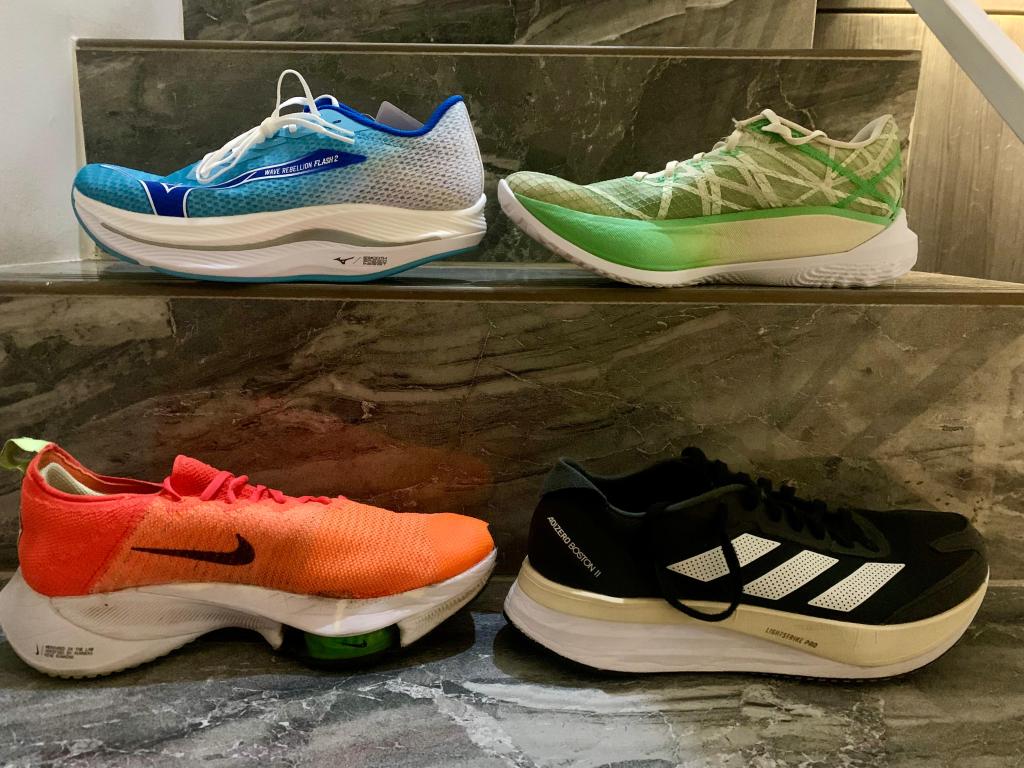
There was a time when running shoes were simple creatures. A slab of foam, a bit of mesh, and maybe a logo big enough to make your wallet cry. But then, the world met the supershoe: footwear so advanced it might as well come with a PhD in biomechanical propulsion. And at the heart of every supershoe revolution? The plate. Not the kind you eat spaghetti off, but the one that turns mortal runners into PB-chasing maniacs.
Now, in my personal little shoe zoo, I’ve gathered four distinct supershoes, each rocking a different type of plate like a secret weapon in a runner’s RPG inventory. We’ve got the Under Armour Velocity Elite 2 with its carbon fibre plate, the Adidas Adizero Boston sporting a bone-like fiberglass number, the Mizuno Wave Rebellion Flash 2 flexing a full-length plastic plate, and the Nike Zoom Tempo Next striding in with its own plastic slab of spring-loaded ambition.

First up, let’s talk about the Under Armour Velocity Elite 2 — the carbon fibre plate. This is the Ferris Bueller of the supershoe world: smooth, fast, and always looking like it knows something you don’t. Carbon fibre plates are stiff, snappy, and give you that feeling like you’re being discreetly catapulted forward with each step. It’s like having a tiny trampoline surgically implanted in your midsole, without the need for awkward airport security explanations.
The UA Velocity Elite 2 doesn’t just make you faster — it makes you question whether you’ve accidentally stolen someone else’s legs. Long runs feel shorter, hills feel flatter, and you start making reckless promises like “I could probably go sub-3 in a marathon with these.” Spoiler alert: you probably can’t, but you’ll have a blast pretending you might.

Then there’s the Adidas Adizero Boston, the oddball of the group with its bone-like fiberglass plate. Adidas, being the ever-so-quirky rebel, decided carbon was too mainstream and went for something that sounds like it came out of a dinosaur’s ribcage. In practice, the fiberglass plate behaves differently. It’s a touch more flexible, giving you a slightly smoother, more natural ride while still adding a dose of that supershoe magic.
What’s great about the Boston is its versatility. Unlike the full-send nature of carbon plates, the fiberglass feels more forgiving, like a friend who nudges you into doing one more lap instead of drop-kicking you into a sprint. It’s the kind of shoe you could race a half marathon in or survive a tempo run without needing to ice your soul afterward.
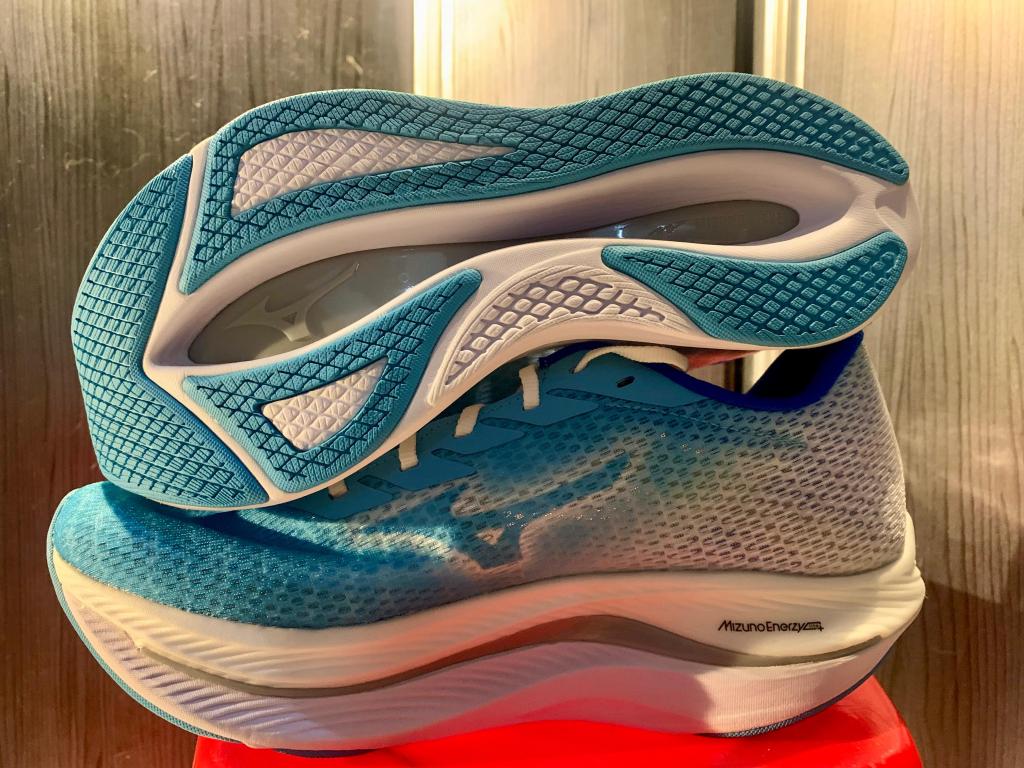
Next in line is the Mizuno Wave Rebellion Flash 2, which brings a full-length plastic plate to the party. Now, you might be thinking, “Plastic? Really?” Yes, really. But this isn’t your grandma’s Tupperware. This plastic plate is engineered to add stiffness and forward propulsion without being too aggressive. It’s like a polite but firm British butler gently encouraging you to pick up the pace.
What I love about the Rebellion Flash 2 is that it balances the traditional feel of a daily trainer with a little extra zing. It’s a shoe that says, “Yes, we can run fast today. But also, if you want to stop for coffee halfway through, I won’t judge you.” The plate helps with efficiency, particularly on longer efforts, making it a sneaky-good option for progressive runs or fast-finish long runs.
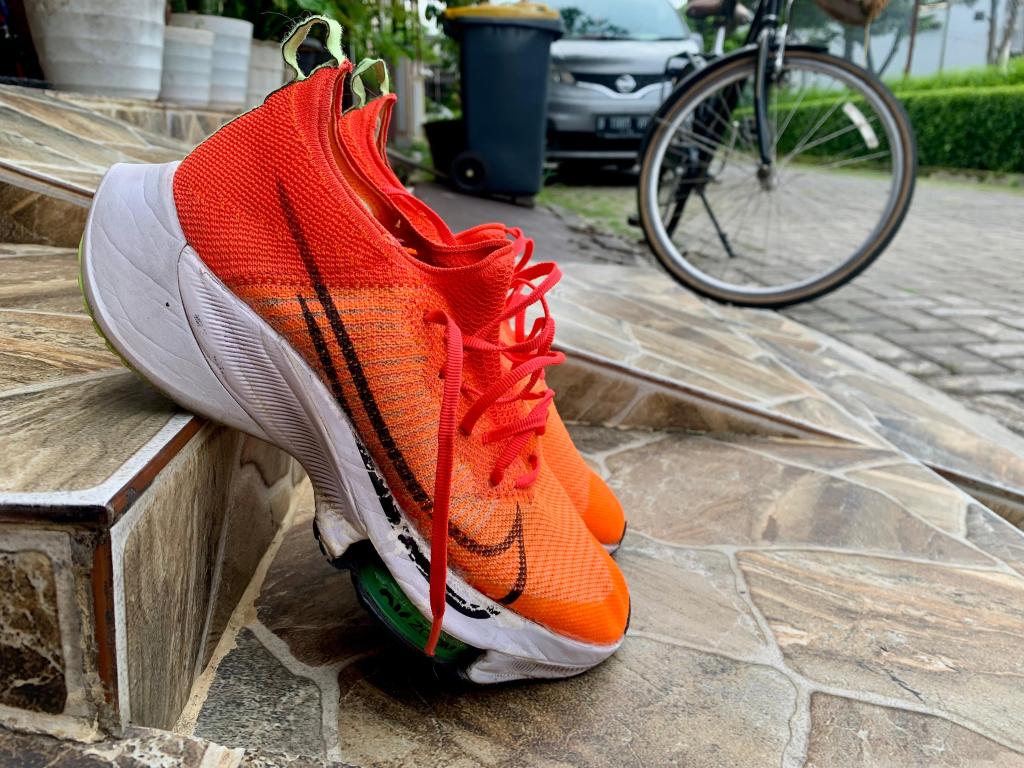
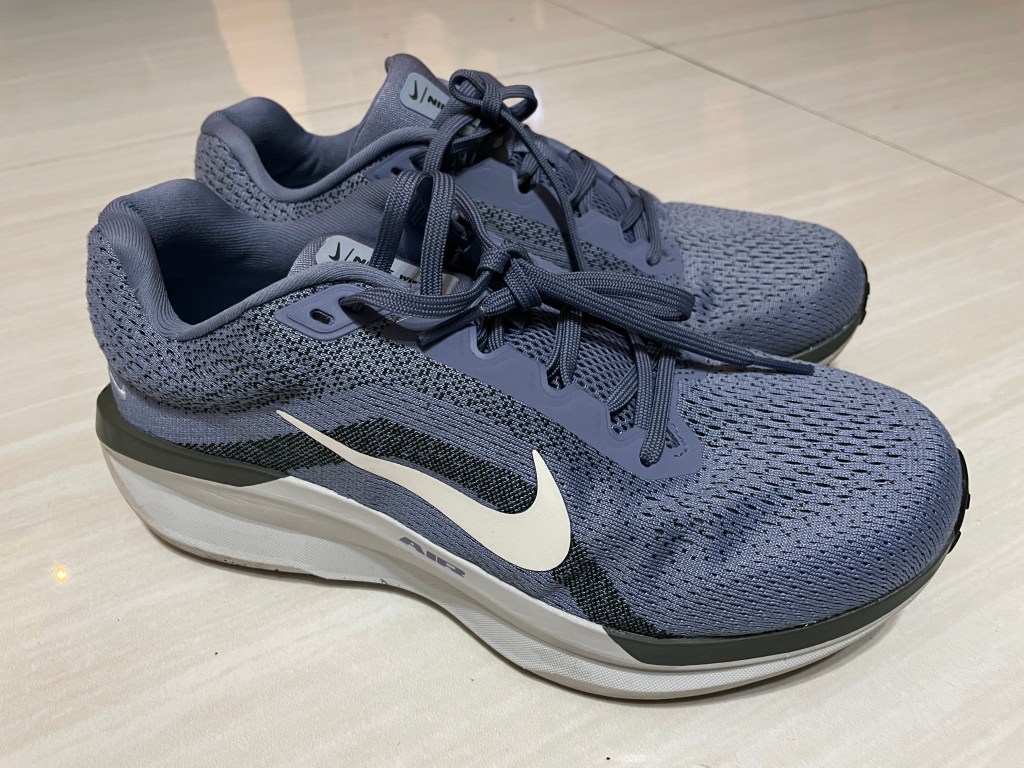
And finally, we have the Nike Zoom Tempo Next — essentially the rebellious cousin of the Alphafly who drinks Red Bull and listens to drum and bass at 6 a.m. This one also uses a plastic plate, sandwiched between ZoomX and React foams, with those two chunky air pods up front like a running shoe wearing aviator goggles. It’s weird, it’s loud, it’s surprisingly fast.
The Tempo Next isn’t trying to be a race-day weapon in the traditional sense. It’s more of a relentless tempo run monster, keeping your legs ticking over with a plastic plate that provides just enough pop to keep things snappy without wrecking your calves. It’s a bit like driving a sports car with slightly worn tires — still fun, still fast, but you’re always half a second away from doing something questionable.
What’s fascinating is how each of these plates interacts with the foam around it. The carbon fibre in the UA Velocity Elite 2 works in unison with the lightweight, responsive foam to create a stiff, rocket-like feeling underfoot. The fiberglass plate in the Boston, meanwhile, lets the Lightstrike Pro foam do a little more of the work, giving a smoother transition and a sense of controlled aggression.
The plastic plates in the Mizuno and Nike take a different approach. They add structure and propulsion but allow the midsole to remain the star of the show. In the Tempo Next, it keeps the ZoomX from feeling like a marshmallow party, while in the Mizuno, it adds just enough snap to make it a credible tempo and race day option without turning every easy run into a teeth-rattling affair.
Another difference is durability and fatigue management. Carbon plates, while amazing, can be pretty unforgiving over longer training cycles. They stiffen the shoe to such an extent that your feet might start sending passive-aggressive texts after back-to-back long runs. The fiberglass in the Boston and the plastics in the Mizuno and Nike offer a slightly kinder experience, giving you speed with a touch more soul.
I also noticed that certain plates suit different types of runners. The carbon fibre models tend to favor forefoot strikers and those chasing aggressive paces, while the fiberglass and plastic options cater to a broader range of gaits and speeds. It’s like assembling a boyband: you need a bad boy, a heartthrob, a quirky one, and a reliable nice guy.
The ride feel is another area where these plates stand apart. The carbon plate gives that abrupt, decisive toe-off, like being flicked by a giant’s finger. The fiberglass plate is smoother, more like a springboard than a catapult. Plastic plates, on the other hand, add gentle structure and a bit of energy return without making you feel like you’re sprinting for your life.
And let’s not forget about weight. Carbon plates usually come with the lightest packages, whereas the plastics — especially in the Tempo Next with its dual-foam setup — tend to be a little heavier. You don’t notice it as much when you’re locked into a tempo, but during cooldowns or easy runs, your legs might start quietly negotiating an early retirement.
Each of these shoes also has a distinct personality. The UA Velocity Elite 2 is your bold, no-nonsense speed demon. The Boston is your adaptable, easygoing overachiever. The Rebellion Flash 2 is the quietly confident tempo workhorse. And the Tempo Next is the caffeinated wild child who drags you into runs you probably weren’t mentally prepared for.
What I’ve come to realize is that supershoes aren’t one-size-fits-all weapons of speed. They’re tools, each designed for a different job, with their plates playing a crucial role in determining how that job gets done. It’s not just about what’s underfoot — it’s about how it works with the runner above it.
In a way, it’s like choosing between a lightsaber, a broadsword, a rapier, and a cricket bat. All can win a duel, but it depends on your style, your strength, and whether you value elegance or brute force.
So, next time someone asks if supershoes are worth it, I’ll smile, glance down at my carbon-fibred, fiberglassed, plastic-plated quartet, and say, “Yes — but pick your weapon wisely. And if it’s the Tempo Next, maybe warn your ankles first.”


 Rundefeated
Leave a comment