
As an Indonesian runner and certified bargain hunter, I have a special bond with footwear. Not just because I run in them, but because I’ve made it a personal mission to check every shoe’s label wherever I travel. Trust me, there’s something oddly satisfying about flipping over a pair of sneakers in a foreign land and finding the words Made in Indonesia staring back at you like an old friend you didn’t expect to see.
My obsession reached peak levels when I visited the USA and walked into a TJ Maxx for the first time. For those unfamiliar, TJ Maxx is a glorious retail jungle where branded items go to find new homes at discounted prices. You can find a Ralph Lauren shirt, a Le Creuset pan, and a mystery brand shampoo all in the same aisle.
Naturally, I made a beeline for the sneaker section. There, amidst rows of Nikes, New Balances, and other athletic beauties, I noticed a pattern. Every time I picked up a box, flipped the tongue, or peeked under the sole, I’d see Made in Indonesia. It was like bumping into your childhood neighbor while on holiday in New York.
I thought to myself, “So this is where all our hard work goes.” While we’re hunting for discounts in Jakarta, people in America are paying full price (well, TJ Maxx price) for the same shoes we probably passed by last year at our local mall’s clearance bin.
It made me kind of proud, really. Indonesia might be known for its beaches, batik, and endless varieties of sambal, but we’re also quietly dominating the world’s sneaker game from behind the scenes.
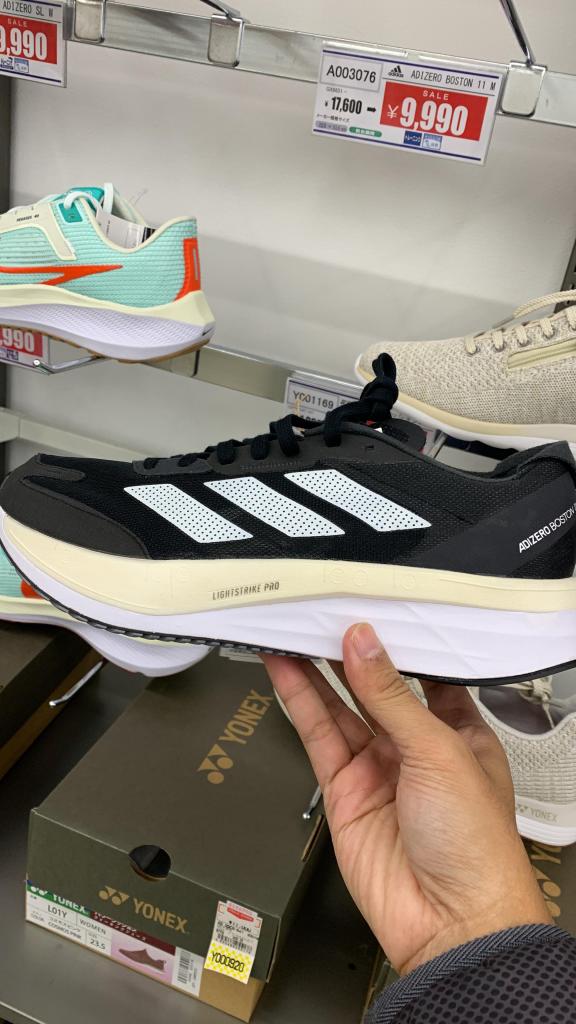
Then came my trip to Japan. Clean streets, bullet trains, and vending machines that sell everything from coffee to neckties. Being the sneaker nerd I am, I found myself inside a spotless Adidas store in Osaka. And guess what? Some of the Adidas shoes there were made in Vietnam.
It clicked. Indonesia and Vietnam aren’t just neighboring countries in Southeast Asia; we’re the backbone of the global footwear empire. The unsung heroes of soles, stitches, and swooshes. From Nike to New Balance, from Adidas to Asics, if you flip your shoe, there’s a good chance it came from one of us.
But here’s where the story takes an interesting turn. While Vietnam might be busy churning out legit Adidas shoes for Japan and Europe, when I actually visited Vietnam, the streets were filled with counterfeits. Not the subtle, maybe-it’s-fake ones. No. The bold, unapologetic, Same same Nike, brother! kind.
Entire markets in Hanoi and Ho Chi Minh City had walls stacked with fake Jordans, Yeezys, and Supreme slides. Some were laughably bad. I once saw a pair of ‘Adibas’ next to ‘Pama’ sandals. I swear, even the fakes had fakes. And people were buying them like hot street snacks.
It made me wonder — why isn’t it like this in Indonesia? Sure, we have the occasional knockoff stall in traditional markets. You might spot a pair of “Nike” sneakers in a pasar somewhere, made from a material that feels like recycled noodle cups. But it’s never as massive, never as mainstream as it is in Vietnam.
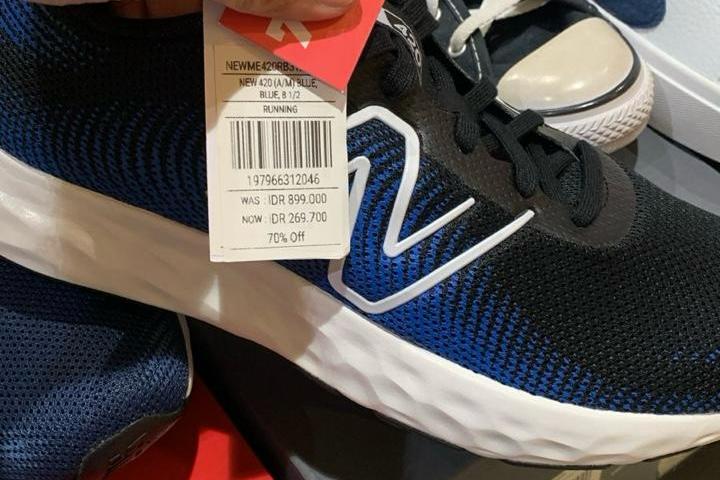
I think I figured out why. In Indonesia, you don’t really need to buy fake shoes. Why bother, when original ones are already dirt cheap? I’m talking about legit New Balance shoes for just USD 17 at official resellers inside malls. Not ancient stock from the Jurassic era either — proper, wearable pairs.
Other big brands like Diadora, Lotto, even Airwalk sometimes go for as low as USD 12. Yes, USD 12 for a pair of original sneakers with boxes, tags, and warranties intact. It’s like our malls run on a permanent clearance sale system. If you’ve ever walked into a Sports Station or Planet Sports during a mid-year sale, you’ll know what I mean.
The thing is, Indonesia loves discounts. A banner that says SALE UP TO 70% OFF is practically a cultural landmark, right next to nasi goreng and dangdut karaoke. We’re wired to wait for discounts. Patience is our superpower.
So when original shoes are that cheap, what’s the point of buying fakes? It’s like being offered a counterfeit nasi padang for Rp 50.000 when you can get the real deal, complete with rendang and sambal ijo, for half the price.
Even local brands have leveled up. Ortuseight makes great running shoes. Eagle has solid lifestyle sneakers. Brodo is doing nice work boots. And they don’t pretend to be anyone else. No fake swooshes. No Adidas stripes suspiciously fused into four.
That’s why counterfeit shoes in Indonesia are usually limited to very low-quality traditional markets. They cater to people who might not care about running performance or brand heritage. The rest of us? We’re at the official resellers in malls, happily paying pocket-change prices for legit kicks.
Meanwhile, Vietnam’s sneaker scene feels like an alternate universe. On one side, world-class factories making shoes for Japan and the USA. On the other, open-air markets selling Jordans that look like they were designed by someone who only saw them once in a magazine.
It’s a fascinating retail contrast. Two countries producing the world’s sneakers, but with completely different street market cultures. Vietnam’s fakes are bold and everywhere. Indonesia’s are lowkey and mostly irrelevant because the real thing is so affordable.
Every time I travel, I check shoe labels out of habit. And every time I find Made in Indonesia, I smile a little. Because while the rest of the world pays a premium for our craftsmanship, back home we enjoy flash sales and discount events like national holidays.
Maybe we’re spoiled. Maybe it’s just good retail economics. Either way, it’s one of the underrated perks of being an Indonesian sneakerhead. The world gets our shoes. We get the bargains.
And that, my friends, is why I’ll happily fly to New York for the marathon, but I’ll still buy my shoes in Jakarta.


 Rundefeated
Leave a comment