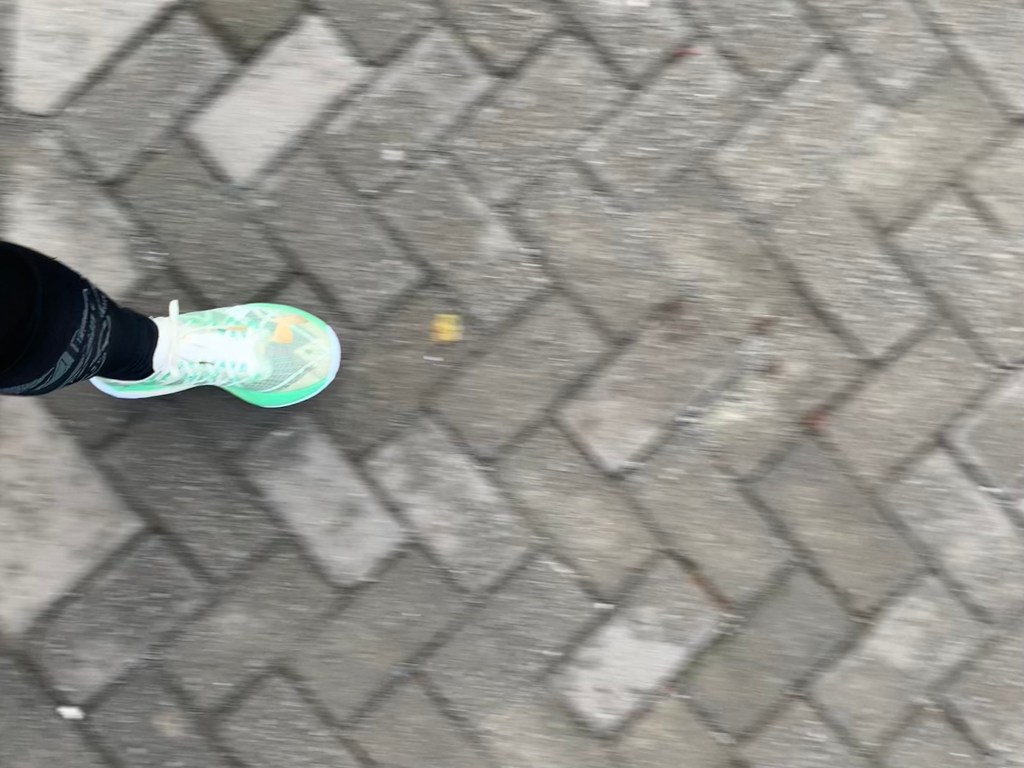
Carbon-plated running shoes are basically Formula 1 cars for your feet. They’re sleek, ridiculously fast, and absolutely useless if the road has more character than your average reality TV contestant. On smooth, flawless asphalt, they turn you into a living, breathing gazelle with an attitude problem. But the moment the surface gets a little rebellious — a pothole here, a rogue pebble there — those shoes reveal their one fatal flaw: they absolutely refuse to adapt.
I found this out the hard way while sprinting down what I thought was a decent street, only to discover halfway through my stride that the road resembled a topographical map of the Himalayas. One foot landed on the smooth bit, and the other found itself negotiating a small crater left behind by what I can only assume was a rogue meteorite. Now, the beauty and curse of carbon plates is that they don’t bend. That’s their whole deal. Energy return, propulsion, rigidity — fantastic for races, not so great when the road has the stability of a rickety IKEA chair.
As my foot hit that uneven patch, the carbon plate stayed true to its mission: stay straight, spring forward. My ankle, however, wasn’t on the same page. In a split second, the plate essentially turned into a medieval catapult, sending my ankle off on a brief solo adventure to the left while my upper body desperately tried to maintain its dignity. I’m convinced I heard a food cart vendor gasp in sympathy, though it could have been laughter. Either way, I finished the run limping and reevaluating my life choices.
The thing is, nobody warns you about this when you buy them. Salespeople wax poetic about energy return, propulsion technology, and how “you’ll shave minutes off your 10K time.” Nobody says, “By the way, if your neighborhood road looks like a badly patched quilt, you might want to rethink this purchase.” It’s like buying a racehorse to ride through a muddy village fair. Technically possible, sure, but highly inadvisable if you value your bones.
I sometimes imagine my carbon-plated shoes having a personality. On pristine, freshly paved roads, they’re like, “Let’s fly, baby!” But the second we approach a cobblestone path or a road with the kind of unpredictable undulations usually reserved for low-budget action movies, they get petty. “Oh, you think you can step there? Sure. Don’t blame me when your ankle starts doing origami.”
To be fair, I should have known better. Running in carbon-plated supershoes on sketchy streets is like taking a Lamborghini off-roading in a rainforest. It’s a spectacularly bad idea, but there’s always that one guy who thinks he’s the exception. That guy was me. I even convinced myself that the extra propulsion might help me clear the potholes like a gazelle on a caffeine overdose. Spoiler alert: it did not.
By the end of that run, I wasn’t so much sprinting as I was executing a highly technical survival dance, dodging cracks, holes, loose gravel, and the occasional mystery puddle. The shoes, bless their high-tech souls, remained stiff and springy, oblivious to the chaos beneath them. My ankles, however, plotted revenge for days. Every twitch and ache was a passive-aggressive reminder that some gear belongs on smooth, well-maintained surfaces — not in urban obstacle courses designed by chaos itself.
So here’s my wisdom, earned through mild injury and maximum embarrassment: carbon-plated shoes are magnificent on race tracks and manicured marathon routes. Take them out on a bad road, and you might as well start practicing your dramatic ankle roll for TikTok.


 Rundefeated
Leave a comment