
Back in the good old days, when dinosaurs roamed the earth and the only smart wearable on your wrist was a Casio with a calculator, running was a much simpler affair. You laced up your shoes, stepped out the door, and ran until your lungs screamed for mercy. If you wanted to check your heart rate, you’d either awkwardly fumble for your wrist pulse mid-run or rely on the tried-and-true “if I’m still upright, I must be fine” method. Life was easy — and also, in hindsight, a little reckless.
I belong to that pre-smartwatch generation of runners. The era when the only tech on your wrist was either the first-generation Apple Watch, which was about as reliable as a politician’s promise, or a Pebble watch that looked like a digital pet from the ’90s. Neither was built for serious running, let alone heart rate monitoring. And like many stubborn runners, I didn’t think I needed one. What could possibly go wrong? I felt fine. I was young. Invincible. Bulletproof. Spoiler alert: I wasn’t.
Somewhere in the middle of my overconfident running phase, my body started sending me quiet, polite signals that something wasn’t right. My chest felt weird sometimes, my pulse would race even when I wasn’t moving, and recovery after runs took longer than it should. But, being the genius I was, I ignored it. Runners are tough, right? No pain, no gain, right? It wasn’t until a particularly bad episode during a run that I finally dragged myself to the hospital for a cardio check.
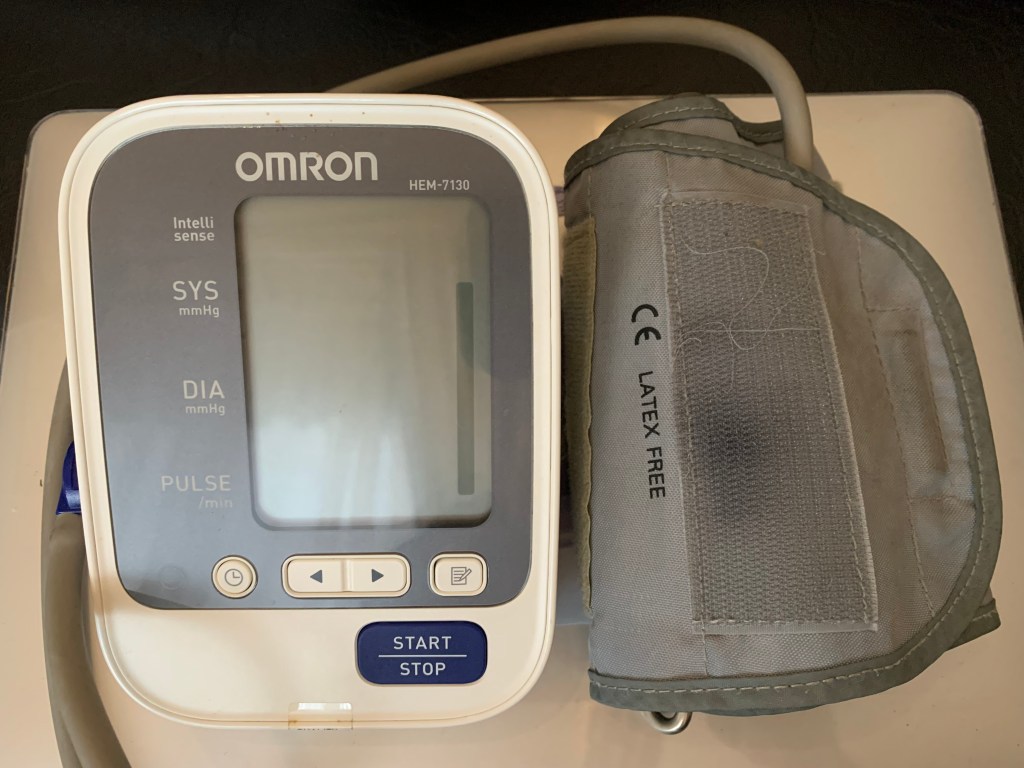
The results hit me like a brick. Overtrained. Elevated blood pressure. A heart working overtime like a barista during the morning coffee rush. The doctor was gentle but firm. “You need to monitor your heart rate. Not for fun, not for style, but because your body is trying to tell you something.” He recommended a heart monitor for every run, a simple device that could have saved me a lot of headaches — and hospital bills — if I’d swallowed my pride and worn one sooner.
When I finally decided to get serious about it, I did my homework. That’s when I learned something interesting: not all running watches are born equal. Garmin, for example, started out as a navigation tools maker, known for helping lost hikers and boaters find their way home. Meanwhile, Polar was actually born as a health equipment manufacturer. That pedigree mattered to me. I wasn’t looking for turn-by-turn directions to the nearest coffee shop mid-run — I needed reliable, medical-grade heart rate data on my wrist. So Polar it was, and honestly, it’s one of the smartest decisions I’ve made in my running life.
These days, running watches and smartbands are everywhere. Garmin, Coros, Polar, Apple Watch Ultra, even budget-friendly bands from Xiaomi and Huawei. And while yes, many runners flex them as fashion statements (we see you, guy wearing a $600 watch for a 5K park run), their real value lies in what they monitor. Your heart rate data isn’t just a number — it’s a lifeline. It tells you when you’re pushing too hard, when to slow down, and when to call it a day before your heart stages a protest.
Sadly, we’ve all heard the stories of runners collapsing mid-race, and more often than not, underlying heart conditions or overexertion were to blame. While no gadget can guarantee absolute safety, having real-time heart rate data makes you infinitely better equipped to listen to your body. Training in the right heart rate zone, spotting irregular spikes, and ensuring proper recovery can make the difference between crossing the finish line smiling and ending up in an ambulance.
It took a hospital visit for me to realize that fitness isn’t just about pace, distance, and bragging rights. It’s about staying alive long enough to enjoy those finish lines. If strapping a watch to your wrist or a monitor to your chest means you get to run for years to come, why wouldn’t you? These days, my running watch isn’t just a piece of gear — it’s a humble reminder that health comes first.



 Rundefeated
Leave a comment