Every runner, whether a casual 5K jogger or a marathon maniac with a medal addiction, has their own logic when it comes to how many pairs of running shoes they “need.” Some swear by one trusty pair until it dies a noble, threadbare death. Others collect running shoes like Pokémon cards. But for me, the magic number has always been three. Not two, not four — three. It’s the holy trinity of running footwear, and I’ve lived by it since 2015.
Why three, you ask? Well, because running isn’t a one-size-fits-all activity. You don’t bring a bazooka to a knife fight, and you don’t wear recovery shoes on tempo day unless you want your legs to file an official complaint. Each run demands a different tool for the job, and trust me, your feet know the difference. That’s why I’ve always kept three pairs in rotation: one for tempo training, one for long runs, and one for recovery. Simple, efficient, and just the right amount of shoe-shopping guilt.
Back in the minimalist era — when everyone thought less foam meant faster legs and better form — my rotation looked like this: the Nike Lunaracer for tempo runs, Skechers Go Run 4 for long runs, and Saucony Kinvara 5 for recovery. The Lunaracer was so light, it felt like running in a pair of aggressive socks. The Go Run 4 had just enough cushioning for distance but still left me debating life choices after 20K. The Kinvara, meanwhile, was my soft pillow after a hard week — simple, no drama, and reliable.
Then the maximalist takeover happened. Suddenly, the trend shifted from “less is more” to “how much foam can we legally attach to a shoe before it’s classified as a platform sandal?” And I followed the movement like a sheep chasing a carrot on a stick. My long run shoe became the cloud-like Hoka Bondi, my tempo shoe evolved into the peppy Nike Zoom Tempo Next%, and my recovery shoe turned into the supportive Brooks Adrenaline. My closet started looking like a padded cell, but my knees sent me thank-you letters weekly.
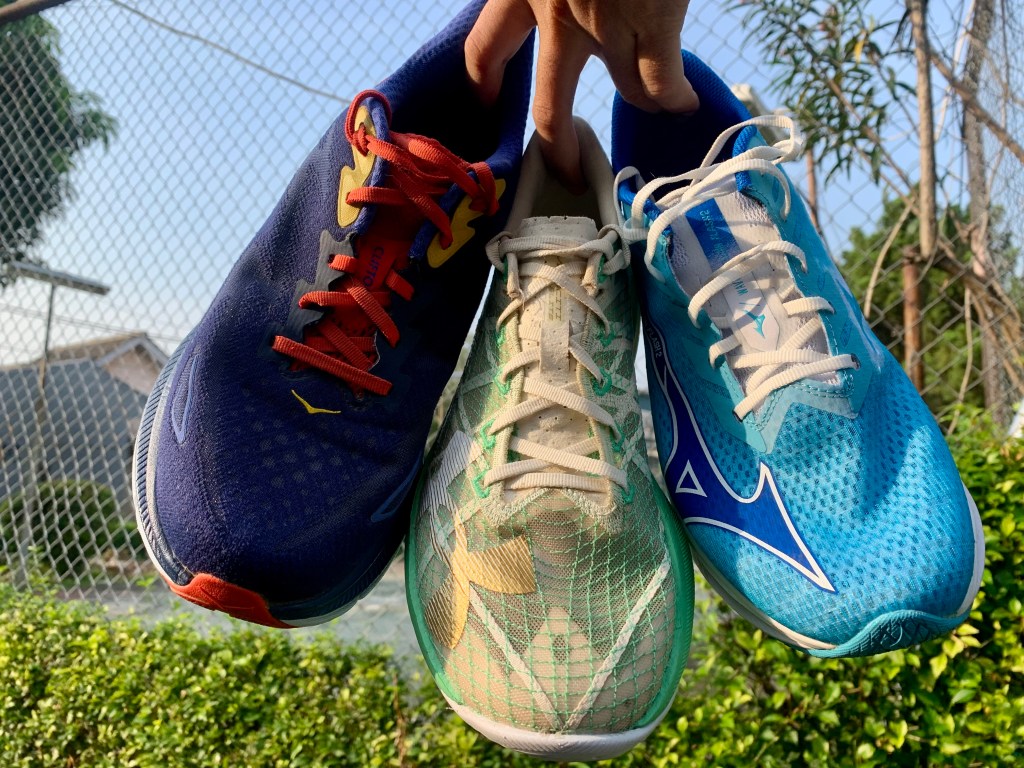
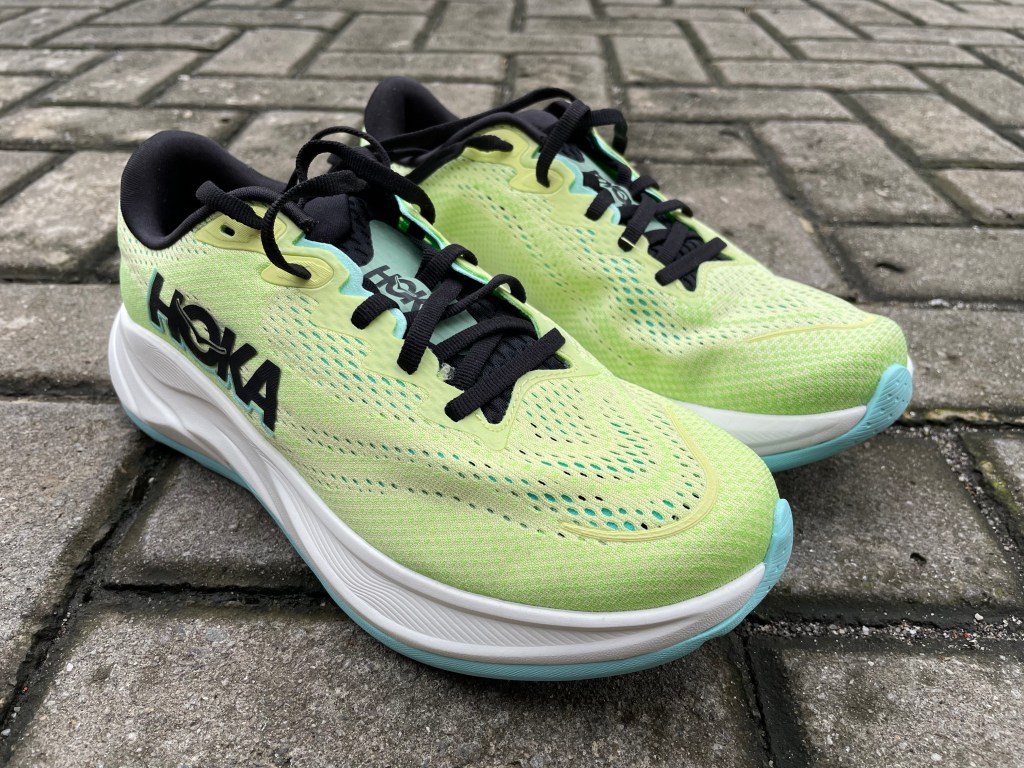
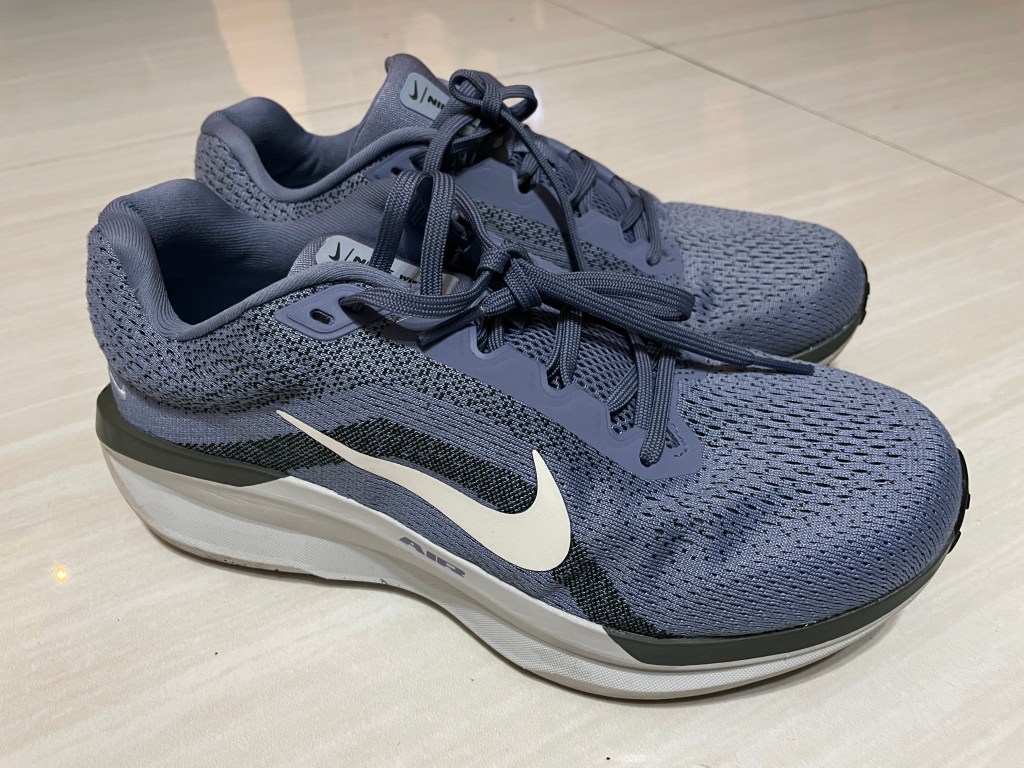
Now, in the era of supershoes and plated monsters, my rotation feels like it belongs in a running museum exhibit. For tempo days, it’s the Mizuno Wave Rebellion Flash — a shoe so snappy and responsive it makes me believe I’m in my prime again. For long runs, I save the Under Armour Velociti Elite 2. It’s my best, my prized possession, the shoe I trust when the GPS says “30K” and my willpower says “just quit and eat fried chicken.” And for recovery, it’s always the Hoka Clifton, the Swiss-army knife of running shoes. Cushy, forgiving, and the footwear equivalent of a warm hug.
In my personal philosophy, tempo shoes need to be light, responsive, and a little mean. They should push you to move faster, whether you want to or not. No mushy midsoles here — just sharp, snappy rides that make you feel like a gazelle being chased by a cheetah. Mizuno’s got that down for me now, but in the past, it was all about those thin, barely-there racers that made every stride feel electric… and every cooldown feel like a hospital visit.
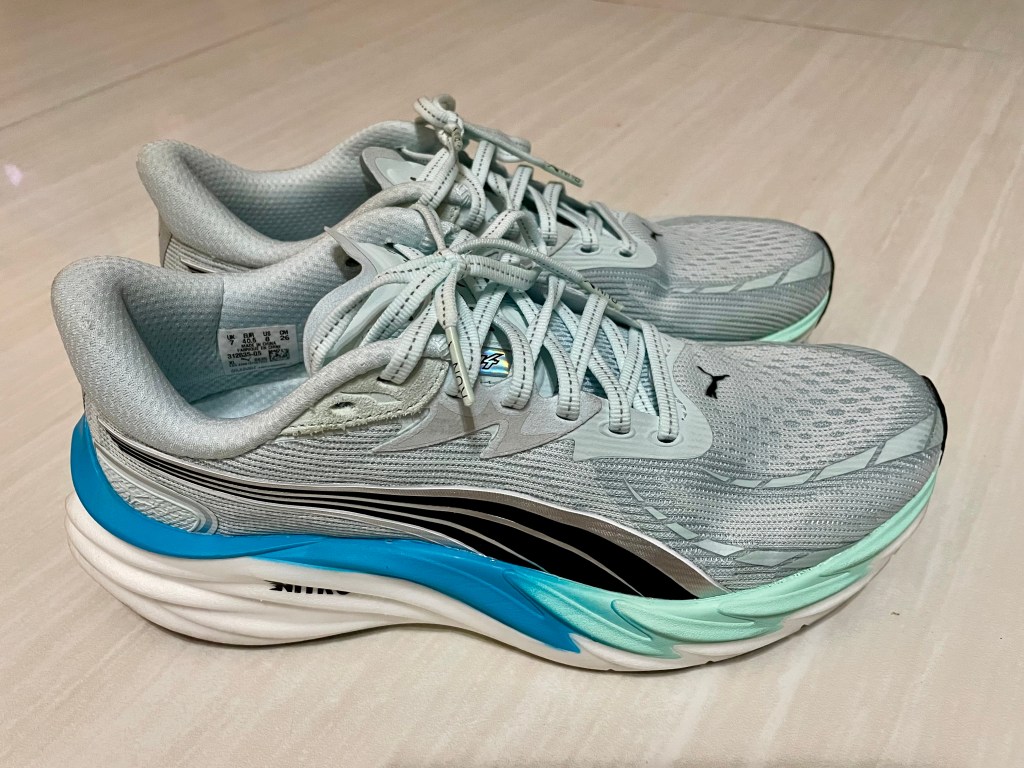
Recovery shoes, on the other hand, just need to be comfortable. That’s it. No medals to chase, no splits to watch. Something soft, stable, and unproblematic. The Clifton’s been my loyal friend for years now, but back in the day, the Kinvara and Adrenaline both took turns as my go-to comfort pillow for tired feet. If I could legally wear recovery shoes to weddings and job interviews, I would.
Now, for long runs, you need the best pair you own. Not your second-best. Not the “it’ll do” pair. The finest, most reliable, most expensive mistake you made in the last three months. Long runs expose everything — your posture, your nutrition strategy, your terrible Spotify playlist choices — and the last thing you want is a shoe that gives up before you do. That’s why my Velociti Elite stays in its box like a sacred relic, only to be unleashed when it’s truly needed.
So, if you’re new to this madness or looking to overhaul your setup, I’ll save you some trouble: three pairs. Tempo. Long run. Recovery. They don’t have to be the latest models, or cost a fortune, or have carbon plates blessed by elite Kenyan runners. They just have to serve their purpose and make your running life easier, faster, and a lot more fun.
And in the end, it’s not about chasing trends or justifying why you spent half a paycheck on shoes. It’s about treating your feet like the MVPs they are — because let’s be honest, they’re the only reason you get to brag about finishing that half marathon last weekend. And for that, they deserve options.


 Rundefeated
Leave a comment