
Since I first laced up my shoes and started running back in 2014, I’ve been on a mission, though I didn’t realize it at the time. I thought I was just chasing kilometers and trying to avoid the horror of seeing my reflection gasping for air in shop windows. But along the way, I accidentally became a connoisseur of running shoes. Not by design — more out of curiosity, occasional retail therapy, and the unshakable hope that the next pair would finally make me faster, lighter, and maybe even less awkward. Over the years, I’ve tried nearly every brand that found its way onto a store shelf, and after this long, winding road, I think I’ve finally cracked the code.
Diadora was one of my early experiments, mostly because it was affordable and available at a local mall when my paycheck was more fragile than my knees. It’s one of those brands that’ll do the job if your ambitions are no greater than a 5K jog around the neighborhood or chasing after the ice cream truck. Anything longer, and you’ll start negotiating with your feet about continuing the journey. To be fair, they’ve got some decent designs and can handle casual runs, but in terms of performance, it’s a bit like bringing a spoon to a fencing match.
Skechers, believe it or not, had a moment. Back in 2015, when the Go Run series was quietly making noise among amateur runners, it looked like they might seriously pivot into performance running. The shoes were light, surprisingly comfortable, and had potential. I remember thinking, “If they keep this up, they might be the dark horse in the running world.” But just when it felt like Skechers was about to drop their mic, they pivoted back toward casual sneakers and lifestyle products. It was like watching a student ace the midterms and then decide to join a rock band instead of taking the finals.
Saucony, on the other hand, is that dependable, straight-A student who doesn’t cause drama. Their shoes are solid, no-nonsense, and generally well-loved by those in the know. The Kinvara was a game-changer for me at one point — light, responsive, and simple. The thing with Saucony, though, is that while they make great shoes, they seem content with staying in the background. The brand rarely makes headline-grabbing innovations, and if you ask most casual runners, half of them will squint and ask you to spell it. They deserve more love, but they aren’t doing themselves any favors by being the shy kid at the party.

Then there’s Asics, the reigning champion of comfort. You’ll be hard-pressed to find a brand that cradles your foot better. The Kayano is practically a luxury sedan for your feet — plush, stable, and reliable for those long recovery runs or when you need to nurse a grumpy ankle. The curious thing about Asics, though, is despite their popularity, you rarely see elite runners breaking world records with them. It’s like they built a Rolls Royce and entered it in a Formula One race. Sure, it’s smooth, but where’s the raw speed? They play it too safe, and in the era of carbon plates and featherlight foams, safe just doesn’t cut it anymore.

Brooks, meanwhile, is the brand that quietly earns respect without making a fuss. If Nike is the flash and Adidas is the innovator, Brooks is the steady workhorse. Their Ghost and Glycerin models are famous for comfort and durability, and while they rarely make it to the top of the hype ladder, seasoned runners know their worth. Brooks is the friend who always shows up on time, remembers your birthday, and brings snacks for the long run. They may not have carbon plates that make you feel like you’re defying physics, but when you need a shoe to carry you through marathon training without giving your toes trauma, Brooks is there — unassuming and dependable.

Now, Mizuno is a bit of an enigma. In Japan, they’re huge — not just in running, but in golf, baseball, and pretty much any sport that requires precision. Their Wave technology has been quietly excellent for years, offering a firm yet responsive ride, but somehow they remain a well-kept secret outside their home turf. It’s like having a Michelin-starred chef in your small town that nobody bothers to visit because they’re too busy queueing up at the trendy burger joint down the road. Mizuno’s road running shoes are tough, reliable, and surprisingly fast, but for reasons only their marketing department understands, they’ve never chased the carbon-plated arms race with the same aggression. Which, honestly, kind of makes me respect them even more.
Salomon deserves a standing ovation for knowing exactly who they are. They don’t dabble. They don’t pretend. Salomon is for trail runners and mountain maniacs. Their shoes look like the footwear equivalent of an armored tank, built to withstand mud, rocks, rivers, and the occasional bear chase. I’ve used their trail shoes, and on rugged paths, nothing beats them. Salomon is the friend who refuses to go to a city mall but will happily hike five hours for coffee on a mountaintop. And honestly, we need brands that stay true to their roots.

Under Armour, for years, felt like they were cosplaying as a running brand. Known for football cleats and gym gear, they always felt like the enthusiastic rookie trying to hang out with the seasoned marathoners. But in the last few years, something shifted. Shoes like the Velociti Elite started turning heads. It’s clear they’re no longer content with being the underdog. The designs have improved, the performance tech is catching up, and while they’re not quite at the elite table yet, they’re at least sitting in the same restaurant now.
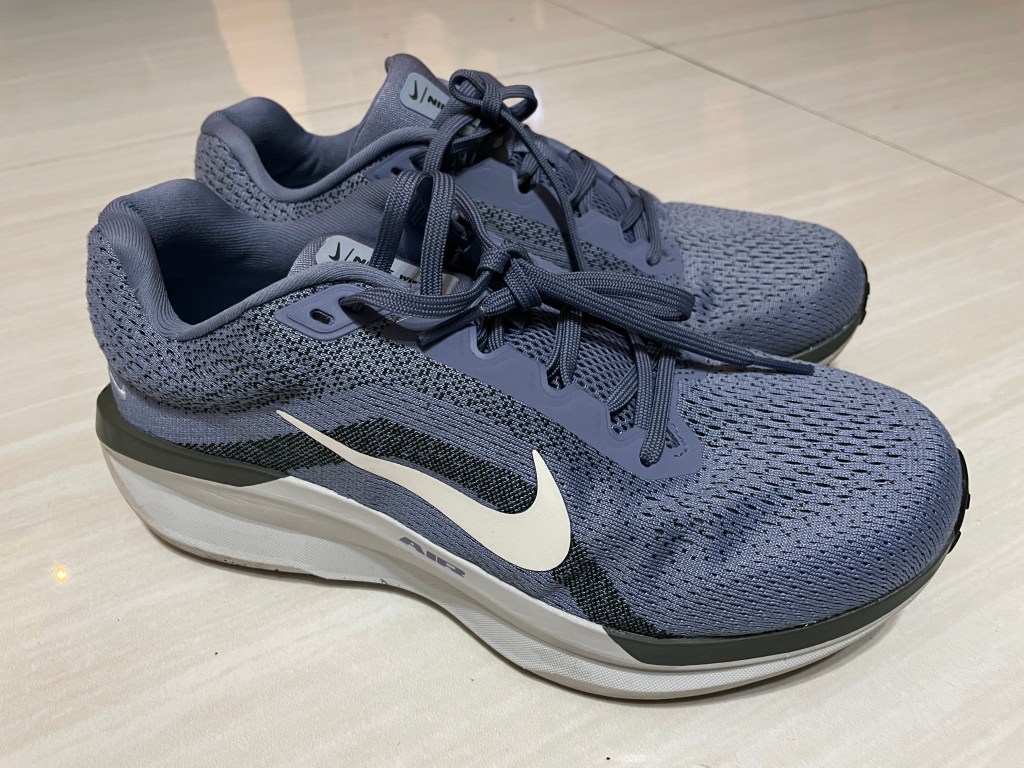
Nike, as always, is the Apple of running shoes. They sell not just footwear but a lifestyle, a brand philosophy, and the promise that wearing their shoes will somehow shave minutes off your time and add swagger to your stride. From the Vaporfly to the Alphafly, Nike turned the running world upside down, making carbon plates and zoom pods the norm. They’re flashy, expensive, and sometimes overhyped, but undeniably effective. You don’t buy a Nike super shoe; you buy into the idea of yourself as a faster, better runner.

Adidas, naturally, is the Samsung to Nike’s Apple. Forever in competition, always pushing boundaries, and occasionally stealing the spotlight. Adidas isn’t afraid to get weird, either. Their Adizero line, especially with those bone-like fiberglass plates in the Boston and Takumi Sen, feels like something a rebellious scientist cooked up. They’re fast, aggressive, and constantly evolving. If Nike is the showman, Adidas is the scrappy tech genius in the lab, working late nights and refusing to be second best.
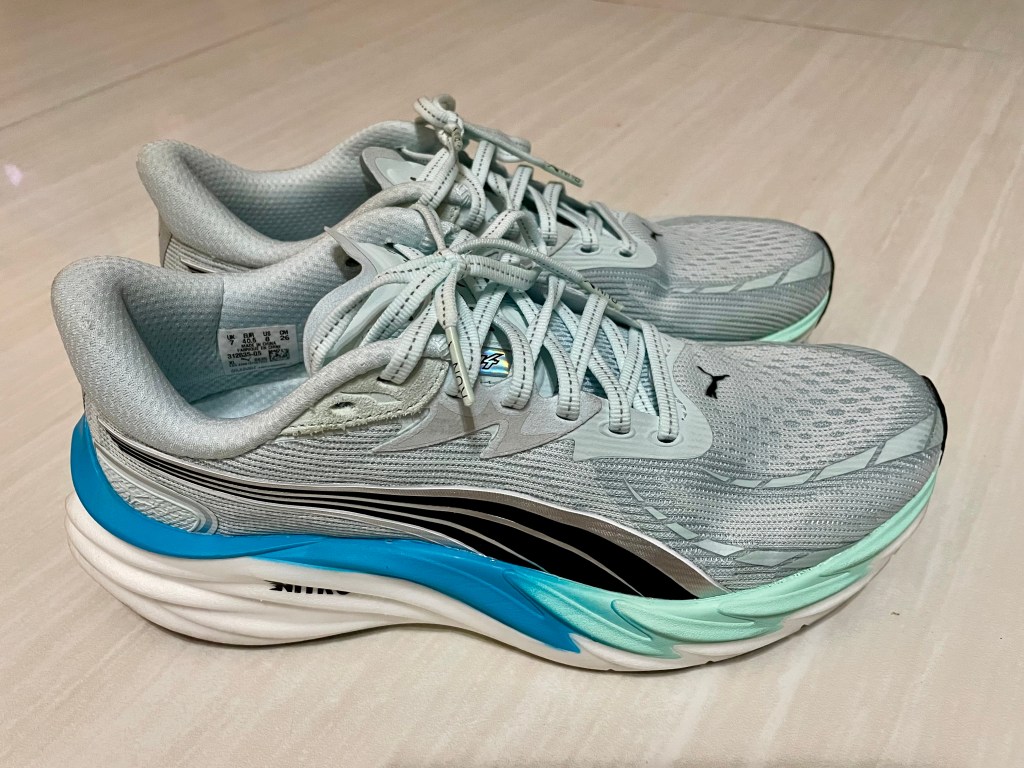
Puma, bless their eccentric hearts, loves to stir the pot. While they haven’t historically been a leader in the running scene, every so often they throw out a design so wild you can’t help but respect the audacity. Recently, they’ve been making a play in the performance game, and while they’re not always the fastest horse on the track, their shoes have character. It’s like that unpredictable classmate who shows up at the marathon in neon-green hair and somehow finishes ahead of you.

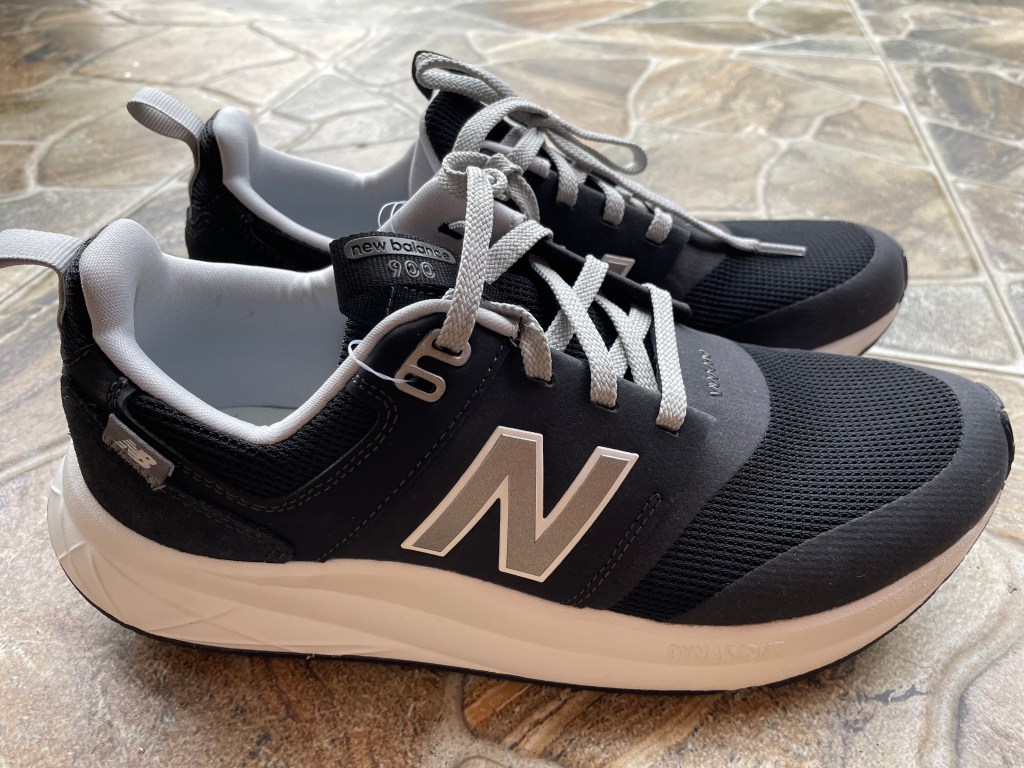
And finally, there’s New Balance — the undisputed king of ugly dad shoes. They’ve achieved legendary status in the lifestyle sneaker world, making gray suede trainers that scream “grill master” and “accountant on casual Friday.” But somewhere along the way, it feels like they lost focus on their running division. Sure, they have some capable models like the FuelCell line, but it lacks the buzz you see with other brands. It’s as if they got so comfortable with their 990s and 574s that they forgot runners need attention too.
After all these years and all those pairs of shoes, I’ve realized that every brand has its quirks, its loyalists, and its signature personality. Some stay in their lane, some chase trends, and some surprise you when you least expect it. The perfect shoe doesn’t exist, but the perfect shoe for you might — you just have to be willing to lace up a few wild cards along the way.


 Rundefeated
Leave a comment