
Ever had that glorious moment when you buy a pair of running shoes at such a ridiculous discount, you feel like you’ve outsmarted the entire global economy? That happened to me recently. I bought the Reebok FloatZig 1, a shoe that’s supposed to retail for USD 120 or Rp.1.900.000 here in Indonesia — for the utterly sinful price of Rp.419.900 (around USD 26). No, it’s not counterfeit. No, I didn’t get it from a dodgy Facebook group called Sepatu Running Murah Ori Reject 1000%. I bought it from Sportstation, an official retailer that carries everything from Adidas and Nike to New Balance and Hoka.
That insane discount got me thinking: what on earth is the actual production cost of my shiny new Reebok FloatZig 1? I mean, if I can buy it cheaper than a technical running short, someone somewhere has to be making a profit. And someone else is probably making the shoe for the price of a McDonald’s Happy Meal. So — armed with curiosity, a calculator, and questionable math skills — I went digging.
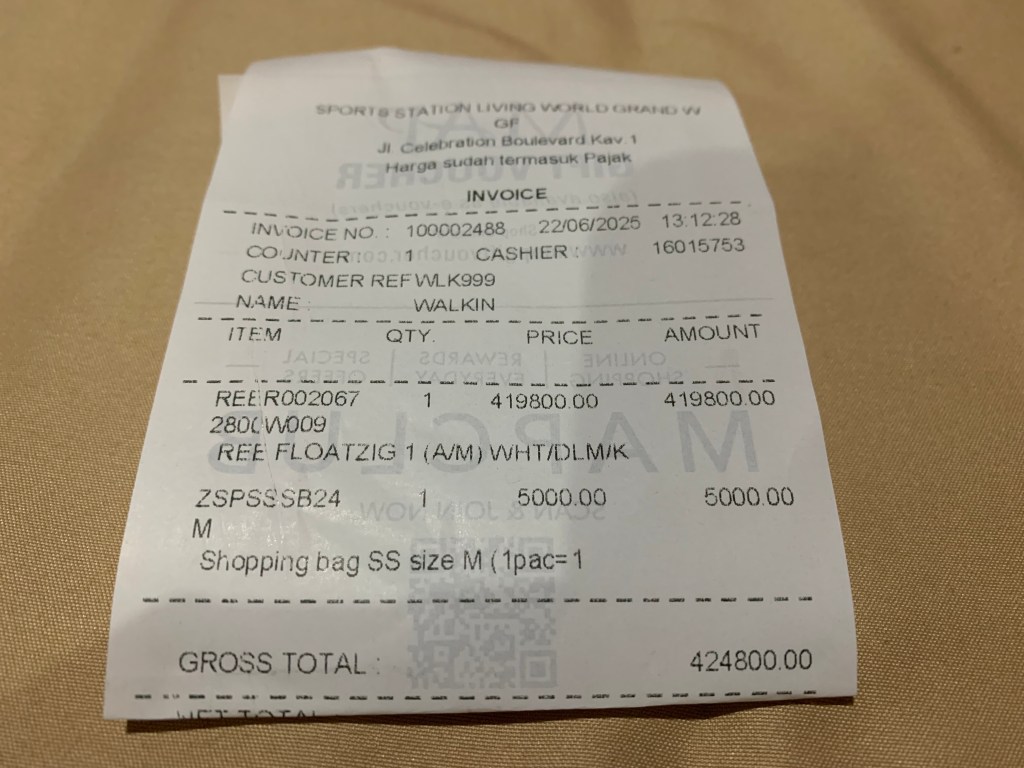
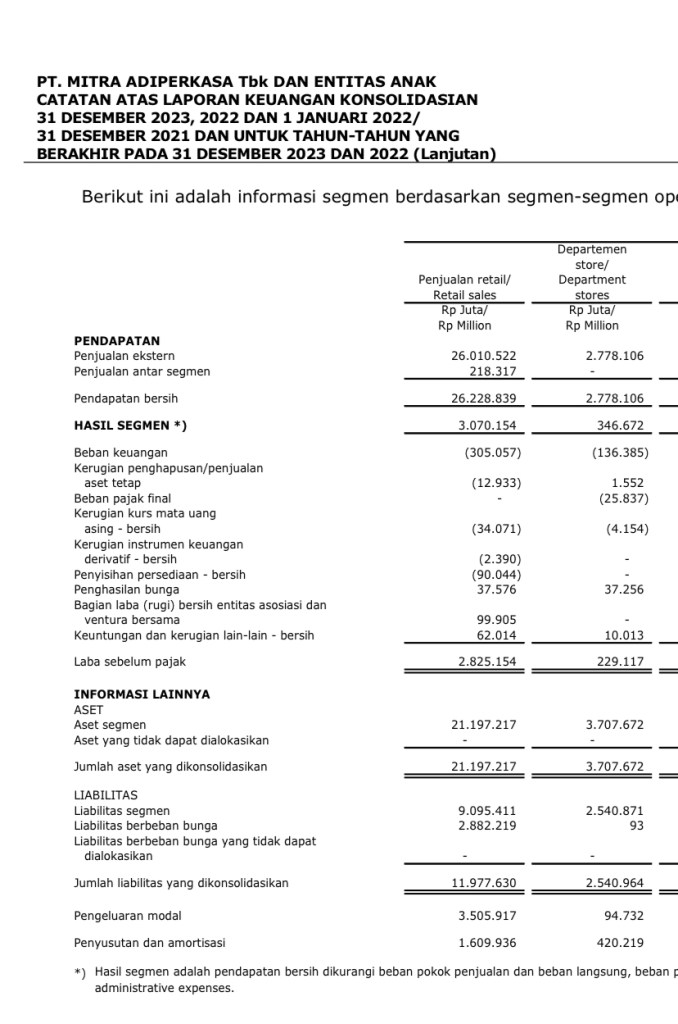
First, let’s break down my purchase. I paid Rp.419.900 — but that includes 12% VAT, so the actual price before tax was Rp.374.821 or about USD 23. Okay, so now we know how much Sportstation charged me pre-tax. But how much did they pay for it? Luckily, Sportstation is part of Mitra Adiperkasa Tbk (MAP Group), a public company whose financial reports are a treasure chest for nosy consumers like me.
According to their latest annual report, Sportstation operates with an average gross margin of 12%. That means for every Rp.100 they sell, they keep Rp.12 as gross profit, and Rp.88 is the cost of goods sold (COGS). So, if they sold the FloatZig to me for Rp.374.821, the COGS would be Rp.334.662 or about USD 21. Now we’re getting somewhere.
But wait — that USD 21 isn’t just the manufacturing cost. It includes CIF (Cost, Insurance, and Freight) from Vietnam to Indonesia. That’s the price Sportstation pays after the shoes are made, boxed, loaded onto a container, insured, shipped, unloaded, and customs-cleared. So, to figure out the factory cost in Vietnam, we have to subtract the shipping, insurance, and import duties.
Here’s where it gets tricky, because I couldn’t find exact CIF values. But based on regional freight estimates and industry reports, let’s say CIF accounts for around USD 2 per pair (including bulk shipping rates and insurance). That would leave us with USD 19 as the landed cost from the factory.
Now — how much did the Vietnamese factory charge Reebok per pair? Since these factories work on an economy of scale, mass-producing tens of thousands of identical pairs, their margins are razor-thin. Based on various sourcing and manufacturing studies from Southeast Asia, the average manufacturing margin is typically around 3-5%. So, if the factory sells to Reebok at a USD 19 landed price (before CIF), the actual manufacturing cost might be in the range of USD 15–16.

Let’s settle on USD 15.50. This covers raw materials, labor, utilities, factory overhead, packaging, and a tiny bit of profit for the factory. Which is both fascinating and mildly depressing when you realize that a USD 120 shoe probably costs Reebok around USD 15–16 to produce. The rest is divided between logistics, retailer margins, taxes, import duties, marketing campaigns featuring world-class athletes, and of course, the brand premium you happily pay because it has a cool logo and a slogan like Float to Your Limit.
Important disclaimer: this is a rough calculation based on available financial reports, regional data, and common industry practices. It’s not an official figure from Reebok, Sportstation, or Mitra Adiperkasa. But it paints a good picture of how retail pricing works, and how an 80% discount can still leave enough room for everyone along the supply chain to make a little money.
So next time you see a USD 200 supershoe, or a limited edition running sneaker with an insane price tag, remember this story. The cost to make it is probably less than what you spend on your weekend brunch. But hey — it’s not just a shoe. It’s a lifestyle, a brand story, a marketing campaign, a celebrity endorsement, and a box of placebo confidence all rolled into one.


 Rundefeated
Leave a comment