
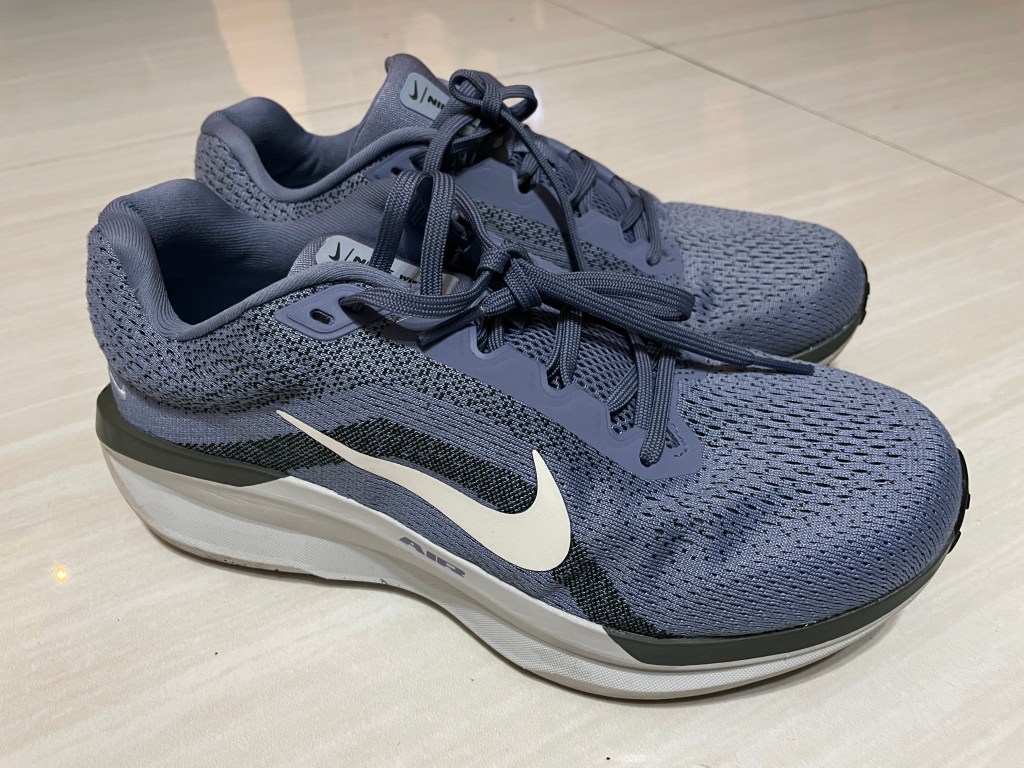
If you’ve been running long enough, you’ve probably developed that sixth sense for discounts. You know exactly when the new model drops, so the old one’s price starts to plummet like your motivation at kilometer 35 of a marathon. You scout Sportstation’s Last Call corner, lurk around TJ Maxx, or in my case, stalk the online clearance section at 2 a.m. hoping to find a pair of carbon-plated speed demons for the price of a street snack. And while brands like New Balance, Puma, even Nike and Adidas sometimes show up in those glorious bargain bins — one brand is always suspiciously missing: On.
You see, On Running isn’t playing the same game. While we runners love to compare shoes by drop, stack height, and how cool they look in post-run selfies, brands also position themselves in a very different race: the race of brand image. I recently went down the rabbit hole of On Holding AG’s 2024 financial report (because yes, I’m that kind of runner) and there it was in plain corporate language — On sees itself as a premium brand. Not just in price, but in philosophy, product placement, and retail strategy. It’s the Canada Goose of running shoes.
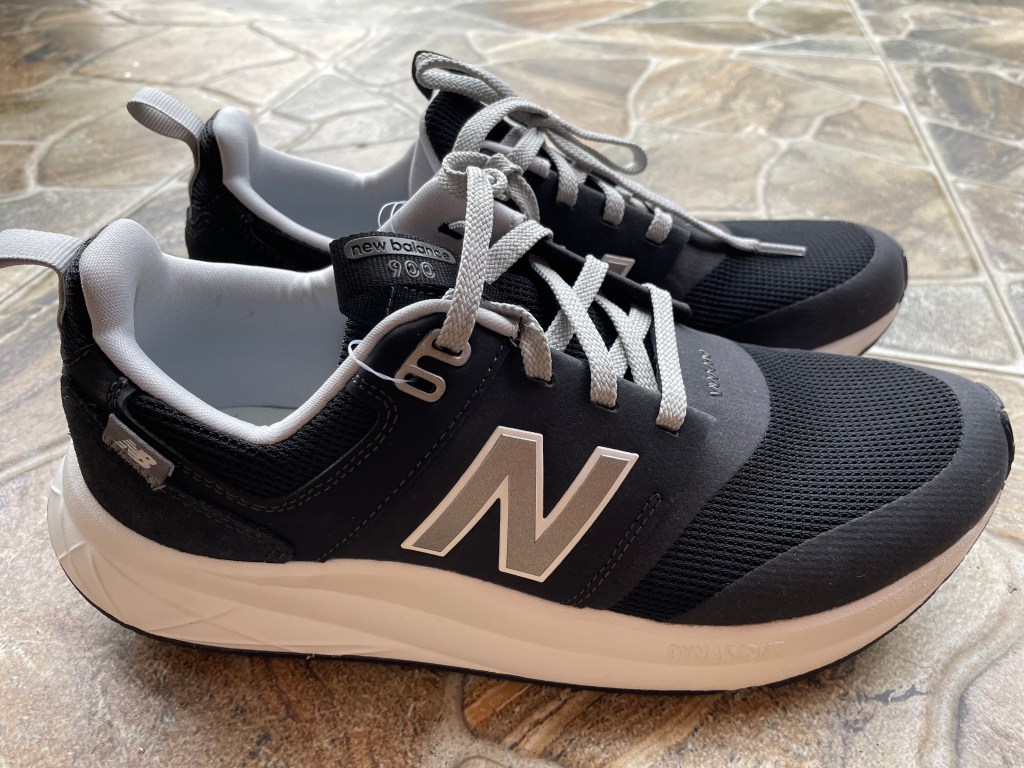
Let me explain. In the jacket world, you’ve got functional and affordable brands like Columbia or Decathlon — practical, weatherproof, and often on sale when winter ends. Then you’ve got The North Face: performance-driven, good-looking, and often worn by people who hike once a year but want to look prepared in case Everest calls. Now, sitting above them both is Canada Goose — luxury, exclusive, and famously never on sale. In the shoe world, New Balance and Puma play the Columbia role. Nike and Adidas are your North Face. And On? Well, they’re the Canada Goose of road running.
That’s why you’ll never see On shoes chilling on the clearance rack at TJ Maxx, Nordstrom Rack, or in Indonesia’s Sportstation Last Call. It’s not because they didn’t make enough shoes or people aren’t buying them — it’s because they control their distribution channels like a jealous dragon guarding its treasure. You either buy them full price at their store, at their select high-end retail partners, or you don’t buy them at all. No backdoor deals, no “accidental” overstock shipments to outlet chains.
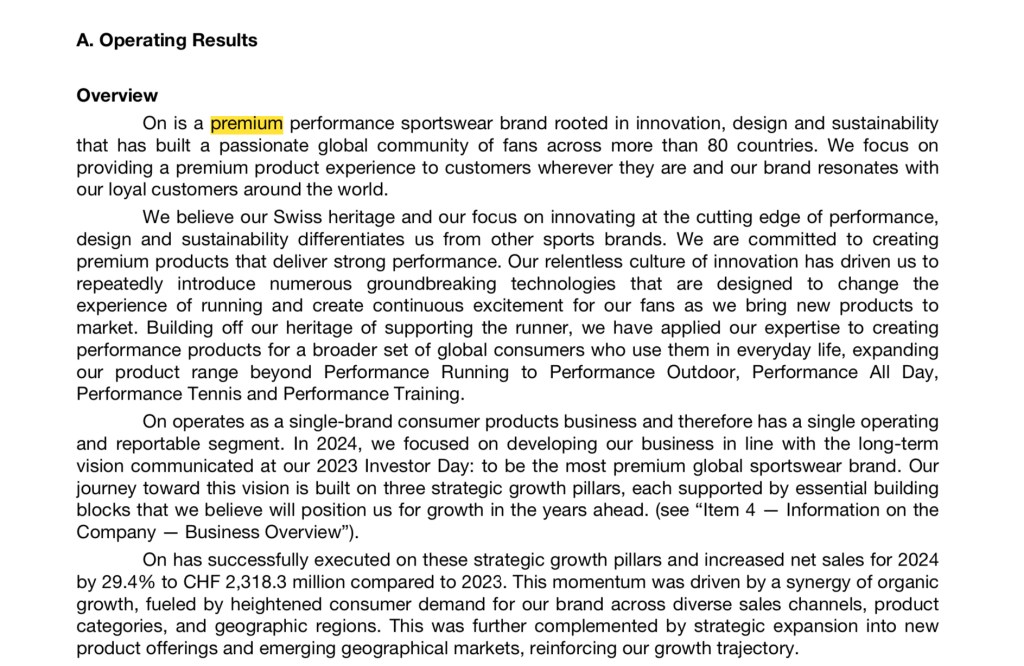
And honestly, it works. On has cultivated this image of sleek, Swiss-engineered perfection. You’re not just buying a shoe — you’re buying into a club where people drink oat milk lattes, log their Strava runs religiously, and casually mention their heart rate zones at brunch. It’s an identity, not just footwear. Which is exactly why they can keep prices high and shelves clear of discounts while still expanding like crazy.
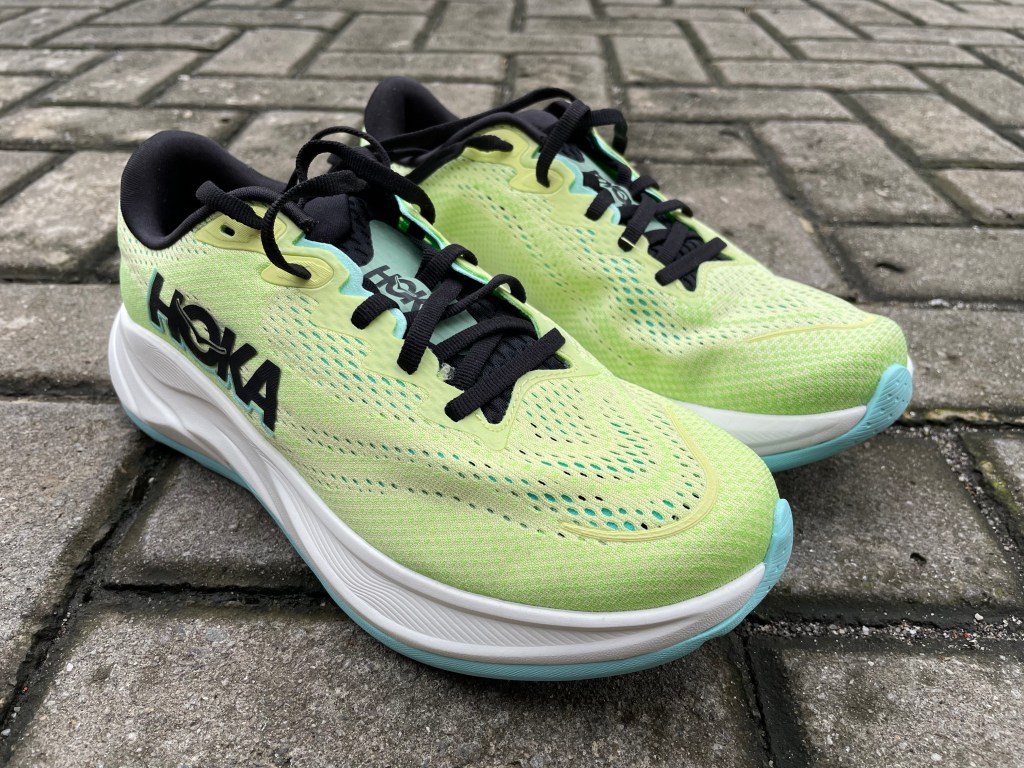
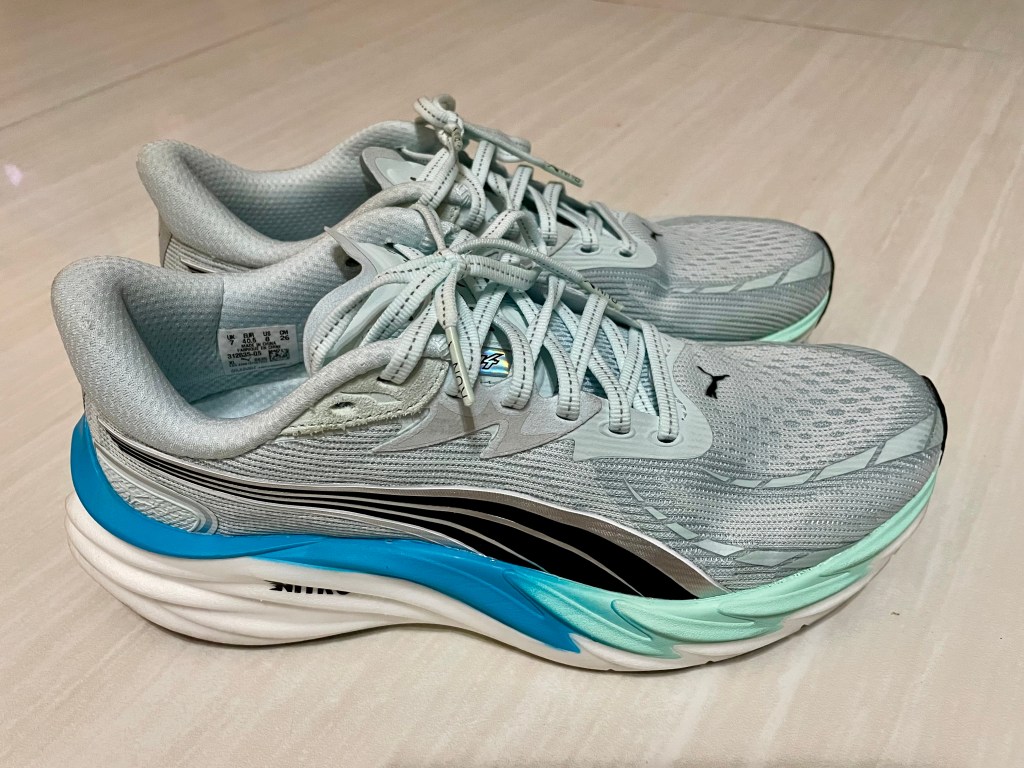
So the next time you spot a pair of discounted Hokas, Nikes, or even a carbon-plated Puma Fast-R at your local outlet, grab them and thank your luck. But if you’re hoping to score a cheap pair of On Clouds? Sorry, buddy — those clouds don’t rain discounts. The Swiss have made sure of it.
And maybe that’s okay. Not every brand needs to be for the bargain bin. On is out there selling dreams, status, and perfect laces for $180 a pair. As long as people keep buying, the rest of us can happily scavenge the sales racks, telling ourselves we’re “smart shoppers” while secretly envying those pristine, full-priced Cloudmonsters trotting past us at the park.


 Rundefeated
Leave a comment