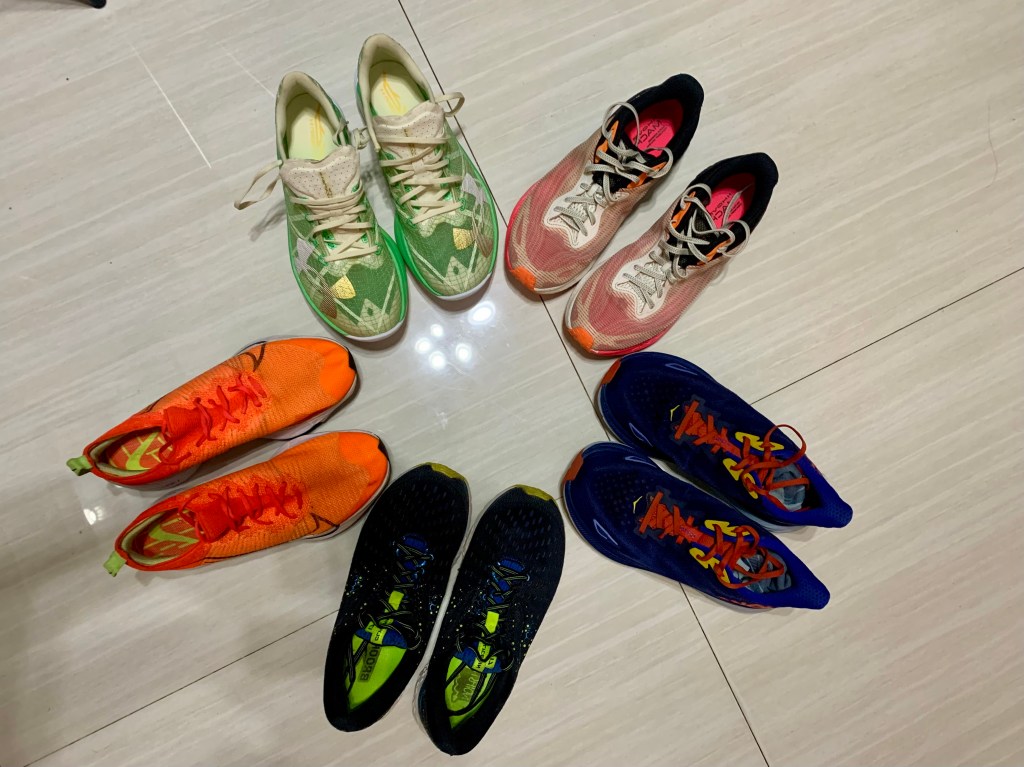
Your Shoes Are Falling Apart? Check the Manufacturing Date First!
Have you ever bought a pair of running shoes, took them for a spin, and not long after — the glue starts giving up on life? I’ve been there. I once grabbed a pair of last year’s model at a huge discount. It felt like a steal… until about 100 km later when the outsole started to peel off like an old sticker. At first, I thought maybe I was just running too fast for the poor thing to keep up. Turns out, the problem wasn’t my speed. It was the shoe’s age.
Most runners don’t realize that the glue holding their precious shoes together isn’t immortal. It’s not some magical substance from Mount Olympus that lasts forever. Nope. Adhesives in shoes degrade over time, especially when exposed to heat, humidity, or even just sitting inside a warehouse doing nothing. And unlike leather shoes that get better with age, running shoes age like unrefrigerated yogurt.
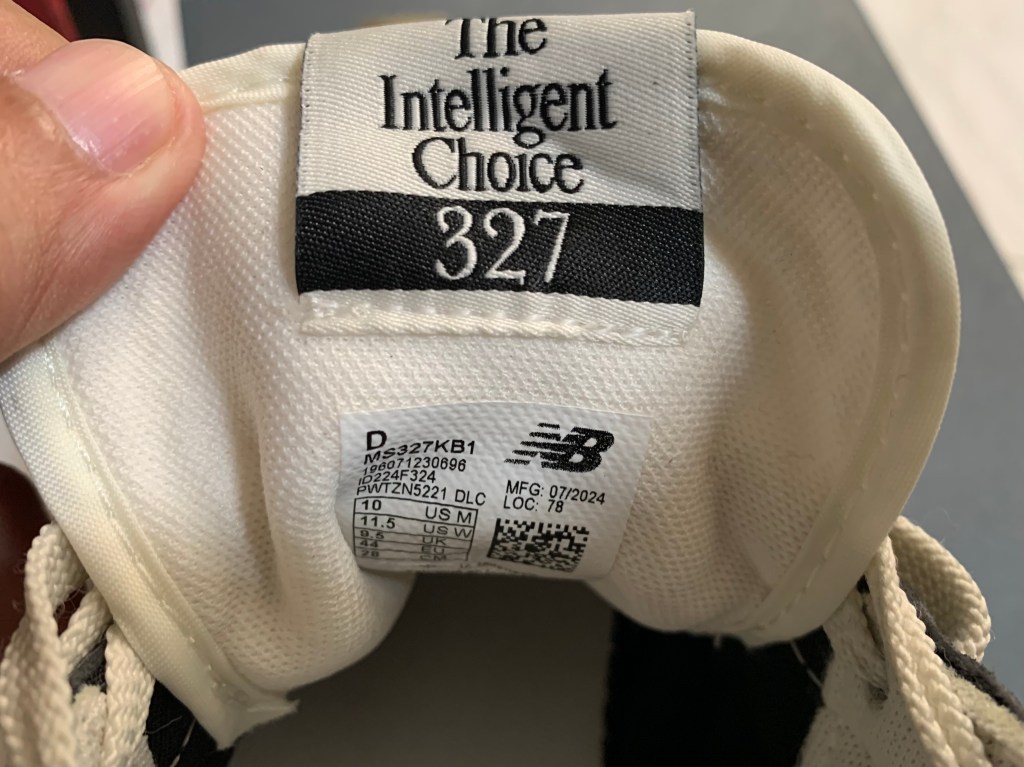
So, how do you avoid this sticky situation? Simple — check the manufacturing date! Yep, almost every running shoe has a tiny label inside the tongue or near the heel lining that quietly reveals its birthday. It usually lists the month and year it was made. It’s not as obvious as an expiry date on milk, but it’s there, and it matters more than most people realize.
Why does it matter? Because running shoes are built for performance, not eternity. The foam, glue, and mesh all have a shelf life. If a shoe’s been sitting in a box for two or three years, even if it’s brand new and never worn, the materials inside have already started to age. The cushioning might feel flat, the upper might get brittle, and yes — the glue might decide to abandon its job halfway through your long run.
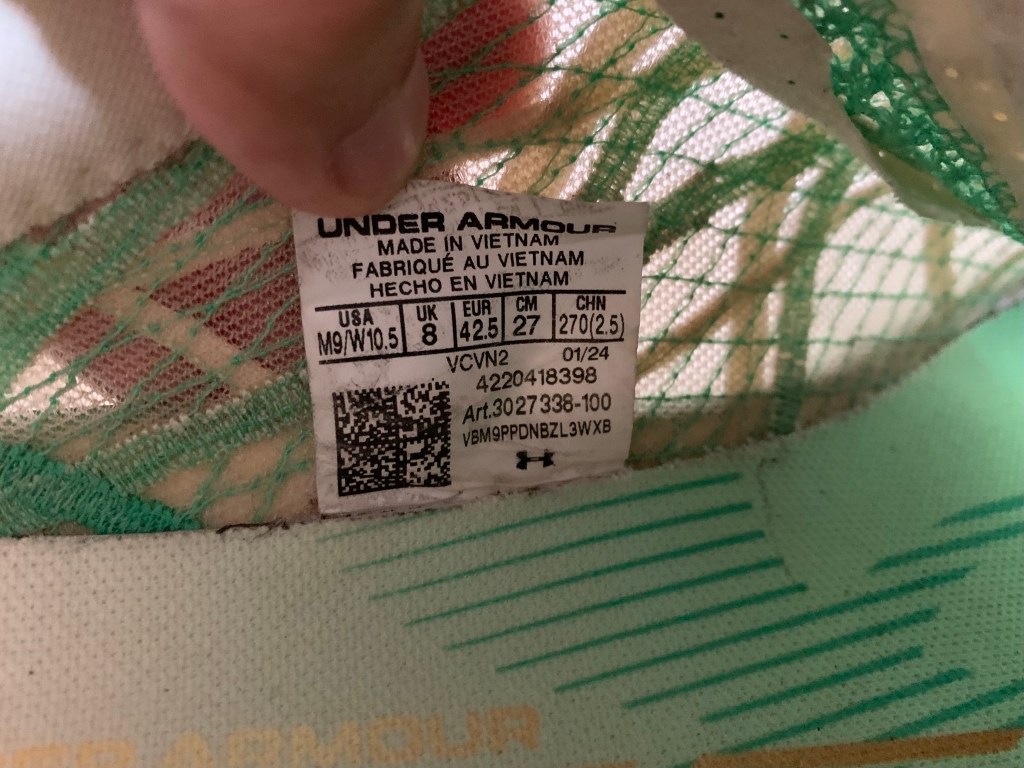
A good rule of thumb? If the shoe is less than a year old from its manufacturing date, you’re probably in the clear. It should still be structurally sound and give you the durability and performance you paid for. Once it passes that one-year mark, things get a little riskier. Two years? Well, you might be dealing with a ticking time bomb in the form of sole separation and midsole compression.
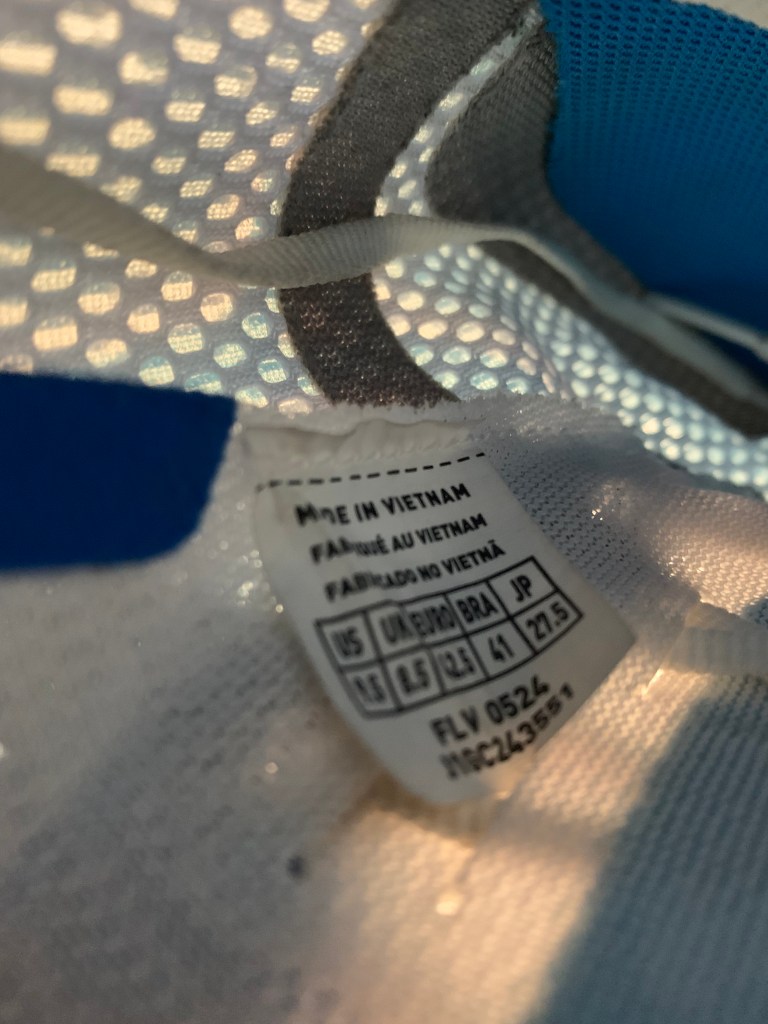
This isn’t to say you can’t buy discounted older models — goodness knows we all love a bargain. Just be a smart shopper. Check the date before you pay. If it’s been over a year and you’re still tempted, at least manage your expectations. That pair might not last as long as a freshly made one, and it’s better to know upfront than curse your shoes mid-run when the outsole waves goodbye.

Also, climate matters. A shoe stored in a humid tropical country like Indonesia will deteriorate faster than one sitting in an air-conditioned store in Japan. So, while that discounted two-year-old pair might survive the Tokyo marathon, it might not make it past your fourth Jakarta 5K without falling apart.
So next time you’re about to snatch that “brand new” pair with a 70% discount, do yourself a favor — take a peek inside. Find the manufacturing date, do a little mental math, and save yourself from unexpected glue failures. Because no one wants to finish a run carrying half their shoe in their hand.





 Rundefeated
Leave a comment