
Let’s settle this once and for all. Just because a shoe has a swoosh, three stripes, or a big chunky “N” doesn’t mean it’s built for your next marathon. On social media, the confusion is real—people flexing their Nike Air Force 1s or Adidas Sambas on a treadmill, wondering halfway through their second kilometer why their knees feel like they’re 90 years old. Yes, those shoes have a sporty past, but trust me, that past is better left in history books and retro fashion catalogues.
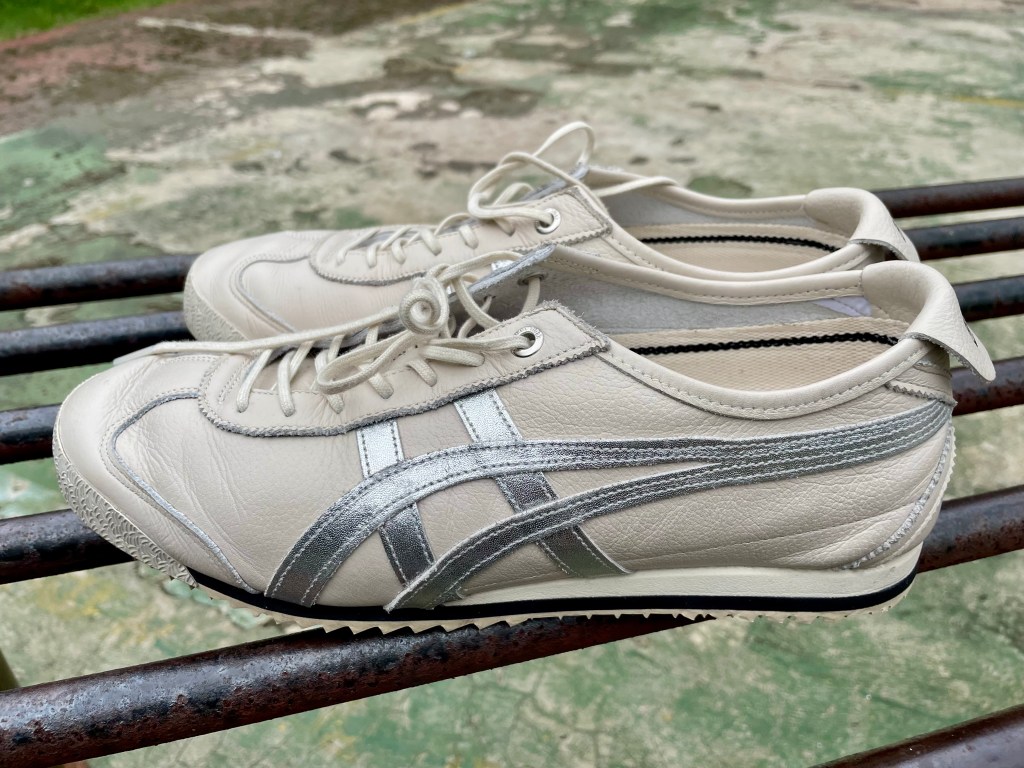
Let’s start with the basics: lifestyle shoes and running shoes are not the same. Not in cushioning, not in weight, not in materials, and definitely not in purpose. Lifestyle shoes might look like they’re ready to sprint, but they’re basically cosplaying at this point. They were athletic in the 80s or 90s, but today, they’re more fit for coffee runs than 10K runs.
Take the Nike Air Force 1. Originally made for basketball. Today? Worn with jeans, seen at brunch, and probably the reason someone’s lower back hurts after standing too long at a concert. The Adidas Samba? A legendary soccer training shoe from 1949. But if you try playing 2×45 minutes in them today, you’ll realize why modern footballers wear ultralight, cleated, tech-heavy boots instead.
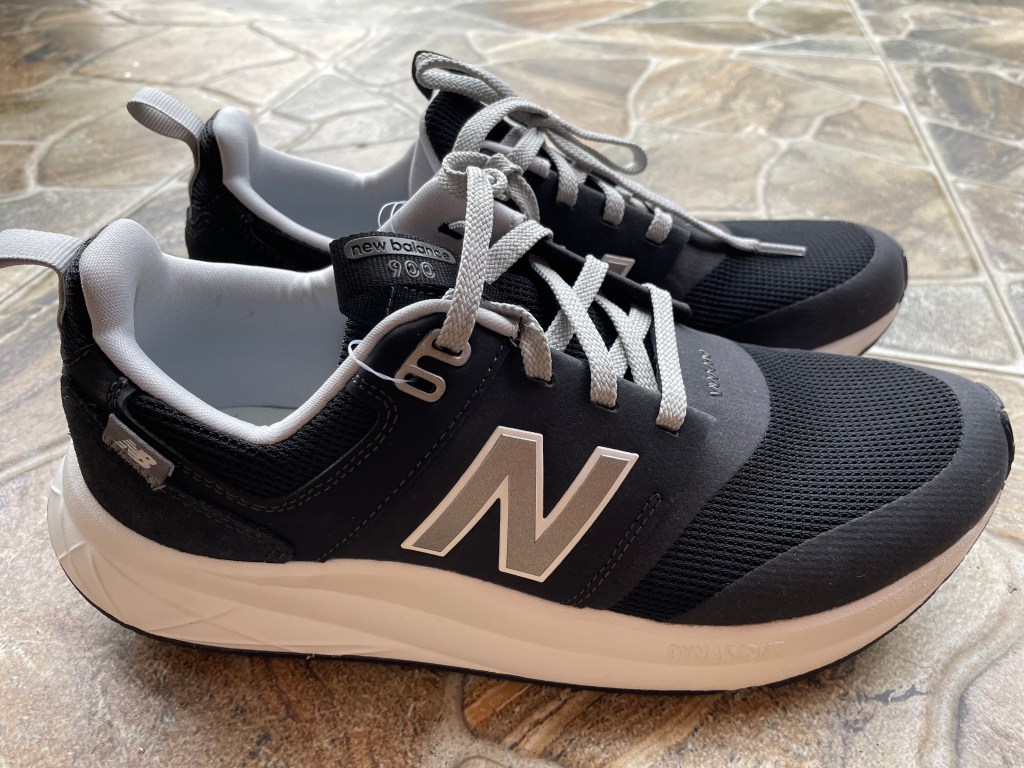
Even New Balance 530, which people now wear with wide-leg pants and tote bags, was once a legit athletic trainer in 1992. Can you still run in it? Technically, yes. But will you enjoy it? Probably as much as you enjoy running with a bag of potatoes strapped to each foot. Shoe technology has evolved—lighter midsoles, energy-returning foams, breathable mesh, and even carbon plates now make running easier, faster, and less injurious.
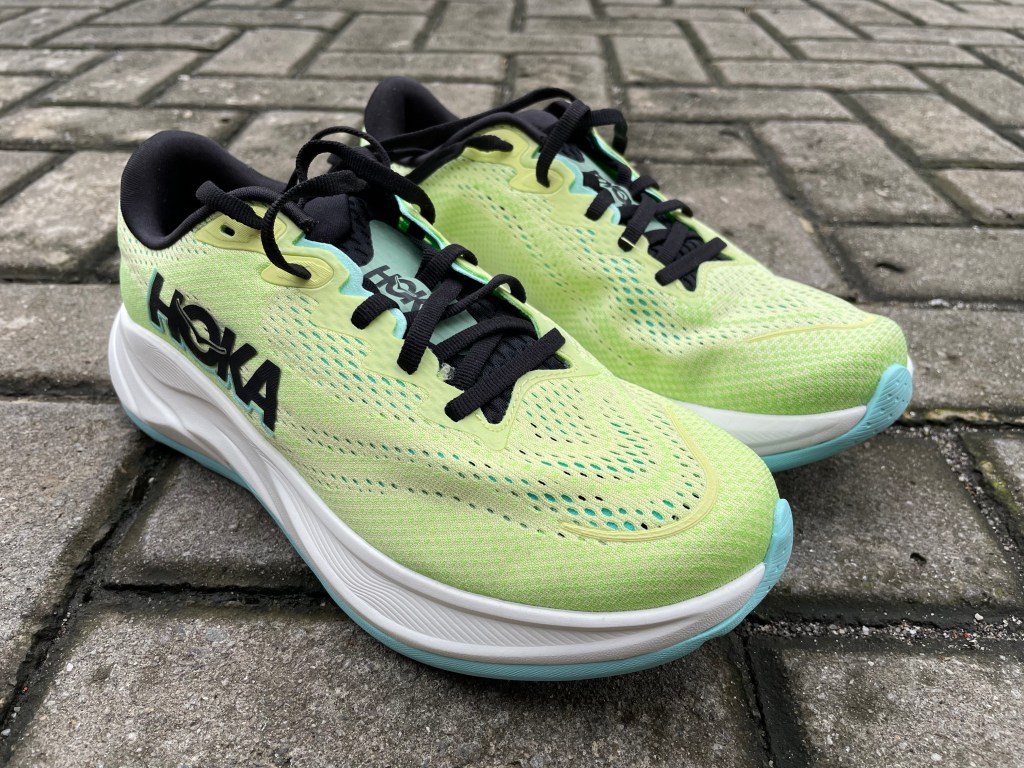
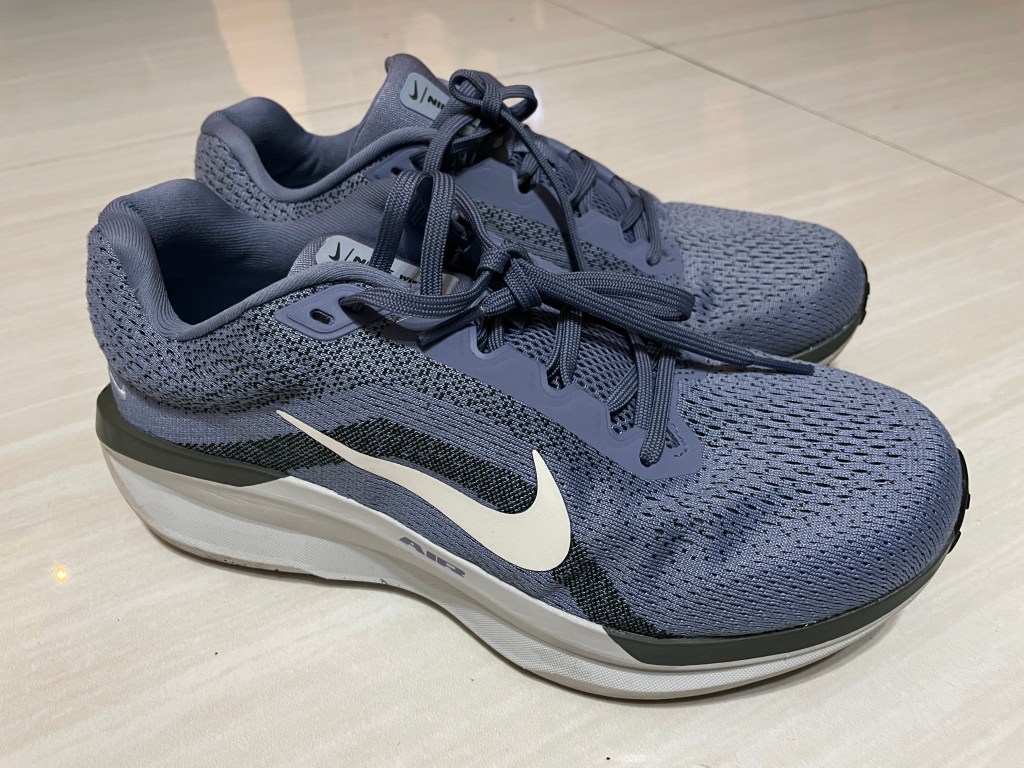
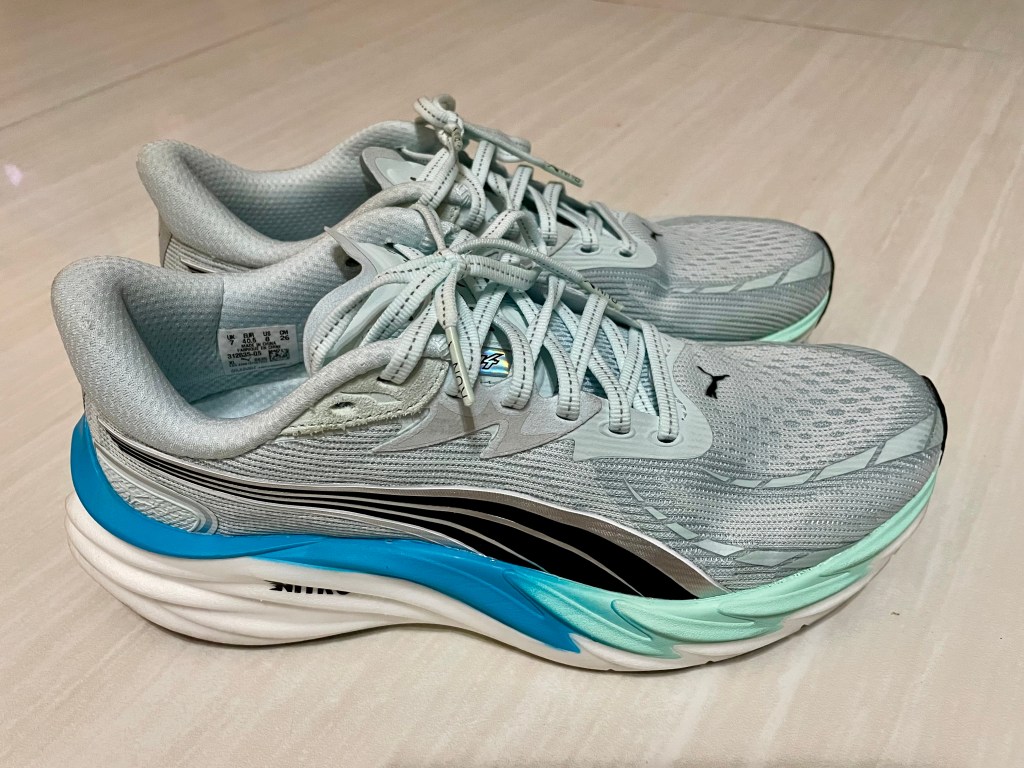
Running shoes are engineered. They’re like Formula 1 cars for your feet. Brands obsess over midsole density, heel-to-toe drop, energy return, and impact absorption. Meanwhile, lifestyle shoes are like vintage Volkswagen Beetles—stylish, nostalgic, but you don’t want to drive them through a Formula 1 race. You can, but you’ll suffer.
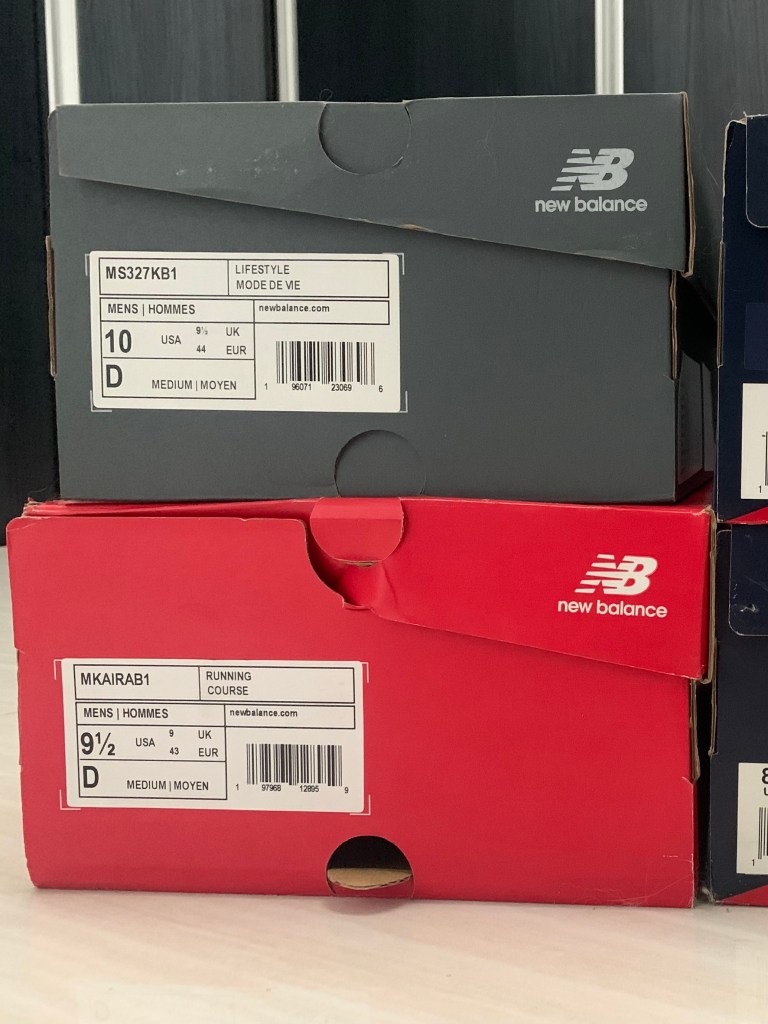
Want an easy hack? Just look at the box. New Balance does a great job of separating their lines. Their Lifestyle shoes come in grey boxes, and their Performance Running shoes come in flashy red ones. The label even spells it out: “Running” or “Lifestyle.” If your shoe says “Lifestyle” and you’re thinking of using it to do speed intervals at the track, maybe take a second to reconsider your life choices.
Sure, you can still run in lifestyle shoes. People once ran barefoot and still somehow survived. But the key word here is “survive.” You’re not doing your joints any favors. Running in a shoe not built for the impact and repetitive motion will not only ruin the shoe faster, it might ruin your knees, too. Also, let’s be honest—your lifestyle kicks won’t survive a rain-soaked, 15K tempo run. They’ll soak, stink, and start talking back.
If you’re doing short jogs, maybe commuting in your New Balance 530s or walking a 5K charity run, go ahead. You won’t implode. But don’t expect the plush bounce of a Fresh Foam, the propulsion of a carbon-plated racer, or the gentle hug of engineered mesh. It’s the difference between flying economy vs. first class—both will get you there, but one makes you want to keep going.
So next time you’re choosing your shoes, think: are you dressing up for the ‘gram or gearing up for a run? Lifestyle shoes are awesome for looking cool. Running shoes are awesome for, well, running. The line between them is thin in appearance, but worlds apart in experience. Trust your knees—they know which one they prefer.


 Rundefeated
Leave a comment