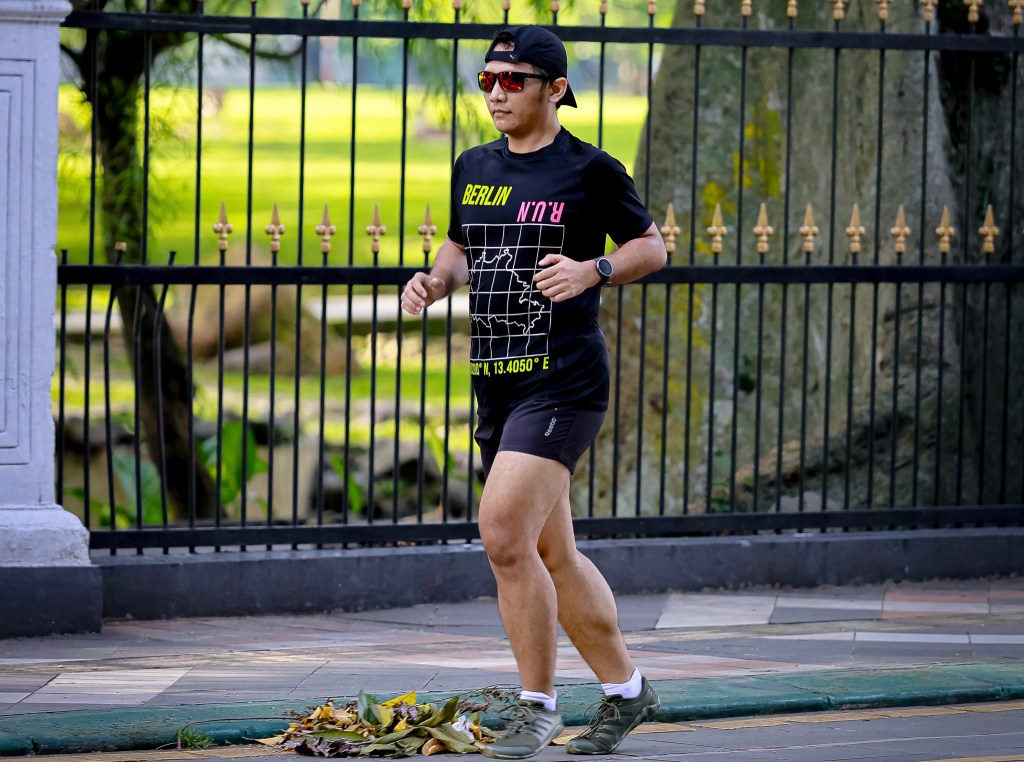
Running photography is strange. You can finish a good run—legs tired, breathing under control, ego intact—then look at the photo and wonder why you resemble someone late for work but not committed enough to actually run. It’s confusing how something that feels powerful can look so… negotiable. Over time, I learned that great running photos have very little to do with pace, effort, or how many carbon plates are under your feet. They depend on things runners rarely brag about: light, angle, and timing.
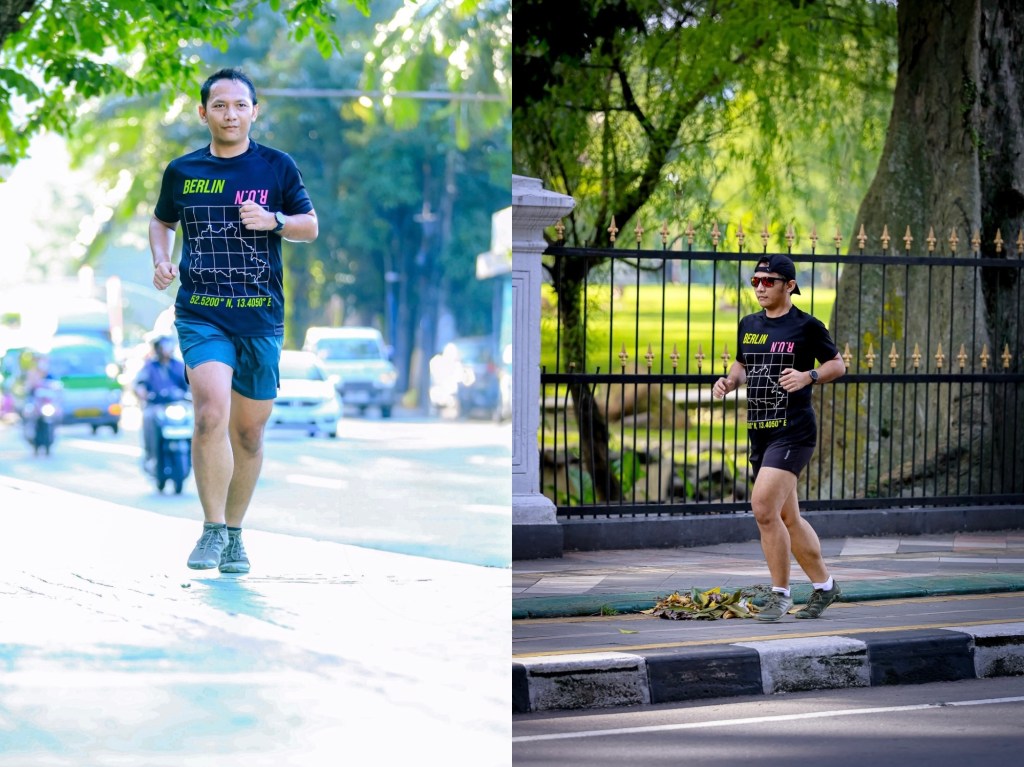
Light is everything. Bad light has no mercy. Harsh sunlight, especially in the middle of the day, turns every runner into a sweaty documentary subject. Shadows dig into your face, your skin starts reflecting light like a car hood, and suddenly your “easy run” looks like a survival situation. Naturally, people say, “Just run earlier.” But go too early and the camera starts lying again. Before sunrise, light can be flat, dark, and unforgiving, making you look less like a runner and more like a suspicious silhouette.
The sweet spot is that brief moment when the sun is awake but still polite. Muscles appear where they should, faces look alive, and the body stops fighting the camera. Cloudy mornings are even better—soft, even light that forgives form breakdown and questionable posture. Fog, mist, or light rain add drama, turning an ordinary jog into something cinematic. Great exposure is rarely accidental. It usually happens because someone waited instead of insisting, like runners who finally learn that not every run needs to be fast.
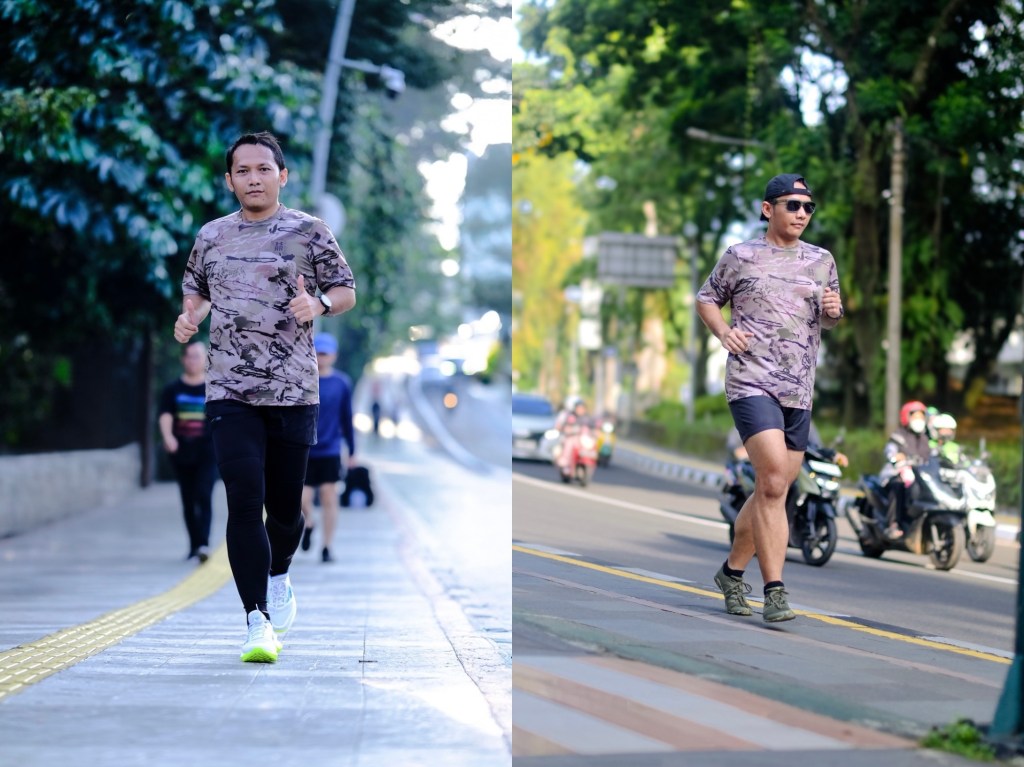
Angle is where most running photos quietly fall apart. The instinct is to stand directly in front of the runner and press the shutter, because it feels fair and symmetrical. Unfortunately, front-facing running photos flatten everything. Legs look shorter, bodies look wider, and motion disappears. Even fast runners look like they’re power-walking toward a coffee shop.
Move slightly to the side and the photo suddenly finds its personality. Somewhere around a 45 to 60 degree angle, depth appears. Arms drive forward, legs separate into layers, and the body leans into space like it actually has somewhere to be. The runner stops looking like a static object and starts looking like a story in progress. Perspective does what pace never can—it makes movement believable.

Timing, however, is the silent killer. The worst moment to take a running photo is when the foot is fully planted on the ground. A landed foot looks heavy, final, and oddly emotional, like the runner is reconsidering life choices mid-stride. It suggests stopping, not running, and no amount of caption editing can fix that.
The magic moment is when the runner is slightly airborne. One foot lifted, the other undecided. In that fraction of a second, the body looks light, fluid, and surprisingly fast—even if the actual pace says otherwise. This is where photography cheats in a good way. It captures the idea of speed, not the receipt.
When light behaves, angle cooperates, and timing shows patience, everything else becomes background noise. Shoes don’t need to be new. Jerseys don’t need a logo big enough to be seen from space. Even the pace becomes irrelevant. The photo works because it feels honest, like someone genuinely moving instead of demonstrating running for the camera.
In the end, great running photos aren’t about proving how fast you are. They’re about proving that you were there, moving forward, one stride at a time. Pace disappears. Photos stay. And sometimes, that slightly airborne moment is the closest thing we have to looking as fast as we felt.


 Rundefeated
Leave a comment