The term “region-locked product” sounds like something from gaming or VPN forums, but lately it has quietly jogged into the world of shoes and apparel. Adidas cheongsam only for Asia. Chinese New Year editions that politely refuse to exist outside China. Special colorways that come with invisible borders stamped on the box. The product itself is the same, but the story attached to it suddenly becomes exclusive, cultural, and—most importantly—harder to get if you live somewhere else. Scarcity, but with a passport.
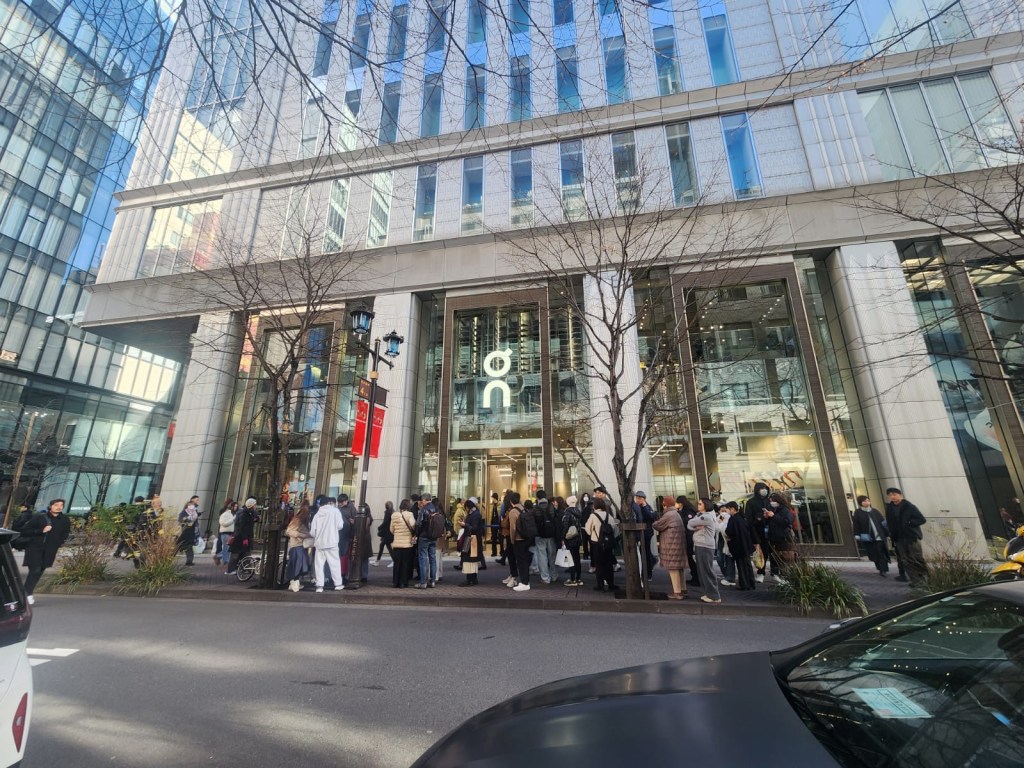
Three weeks ago in Japan, I saw this strategy in the wild. Not on Instagram. Not in marketing slides. In real life. I walked past an On store and noticed something unusual: a queue. Not a sale queue. Not a launch-day chaos. A queue just to enter the store, complete with numbered tickets. Yes, On is cheaper in Japan than in my home country, but price wasn’t the main character that day. People were lining up for collections that simply do not exist elsewhere. Same brand. Same feet. Different geography. Different desire.
This is where things get interesting, because functionally, nothing revolutionary is happening. The foam still compresses. The plate still sits there doing plate things. Your cadence does not magically improve because the colorway is called “Tokyo Morning Mist Limited Ultra Rare Edition.” Yet the emotional value skyrockets. Suddenly the shoe isn’t just something you run in; it’s something you secured. You didn’t just buy it — you earned it by being in the right place at the right time.
Now, full disclosure: I am a runner, not a sneakerhead. This gives me a certain immunity, like a vaccine made of mileage and sweat. If it’s Adidas Boston, it’s Boston. Black and white? Fine. Neon? Also fine. Tokyo-exclusive sakura gradient? Still fine, but not life-changing. My legs don’t recognize limited editions. They recognize cushioning, fit, and whether the shoe tries to kill my calves after 15 kilometers.
But for many people, running shoes are no longer purely running shoes. They are lifestyle objects that occasionally tolerate running. And in that world, colorways matter. Stories matter. Region locks matter a lot. Wearing something that others can’t easily get becomes part of the identity, even if that identity never plans to run farther than a café three blocks away. The shoe stops being about movement and starts being about signaling.
Brands understand this perfectly. Region-locked products are brilliant marketing because they create desire without changing the product itself. No new tooling. No radical R&D. Just a different story, a different launch geography, and suddenly the same shoe feels rarer, cooler, and more meaningful. It’s efficient, elegant, and slightly evil in a way only good marketing can be.
As a runner, I watch all this with mild fascination and zero urgency. While people chase exclusive drops, I chase consistency. While others worry about colorways, I worry about whether my Boston still feels okay at kilometer eighteen. And honestly, that’s fine. The industry is big enough for both tribes. Some people collect stories. Some people collect kilometers. I just happen to prefer the kind that shows up on my watch, not my shoe box.
In the end, region-locked products tell us less about shoes and more about how we assign meaning to objects. The shoe hasn’t changed. The border has. And whether you care deeply or not at all says everything about why you put running shoes on in the first place. For me, as long as it’s Boston, it’s Boston. The rest is just paint.


 Rundefeated
Leave a comment