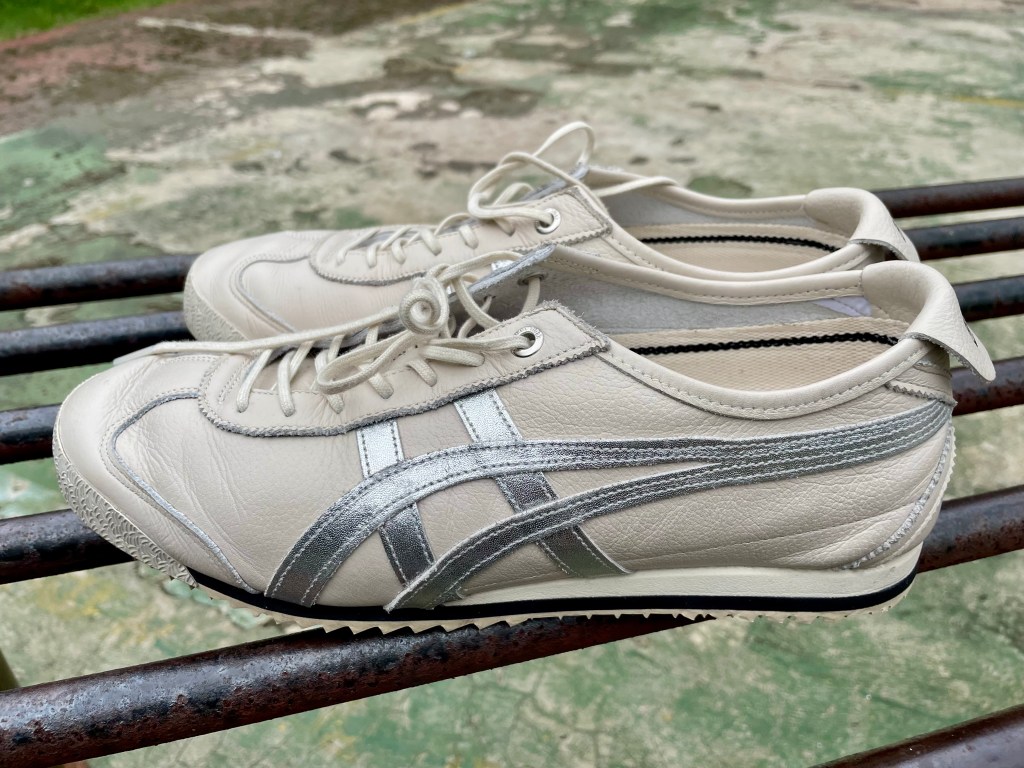
I always thought traveling would empty my wallet. Flights? Expensive. Hotels? Painful. Coffee near tourist spots? Financial crime. But somehow, every time I land in Japan, my bank account ends up healthier — because shoe shopping there feels like a clearance sale disguised as a first-world economy. My latest shock came not from ramen prices or train tickets, but from a pair of classic sneakers my wife casually picked up like it was nothing.
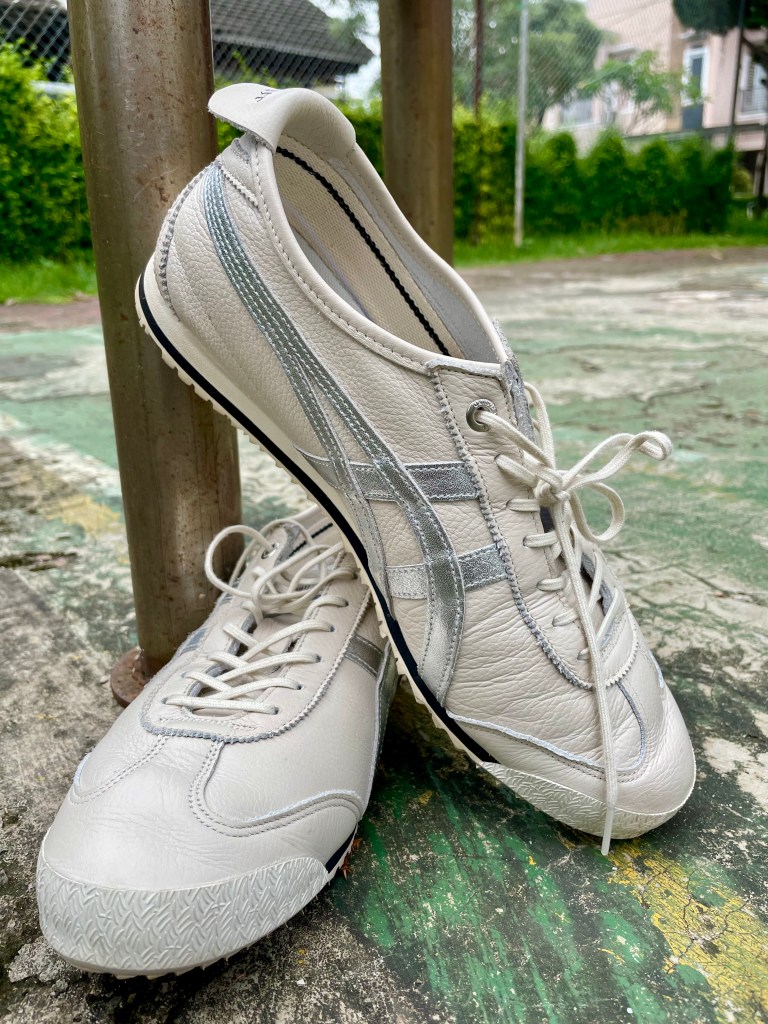
Inside an Onitsuka Tiger store, she grabbed the timeless Mexico 66. No discount tag. No “last pair” drama. No special membership price. Just clean shelves, polite staff, and a calm “17,000 yen, please.” At that moment, I nodded like a responsible adult. Seventeen thousand yen sounded… reasonable. Japan reasonable. Vacation brain reasonable.
Then I did the dangerous thing: currency conversion.
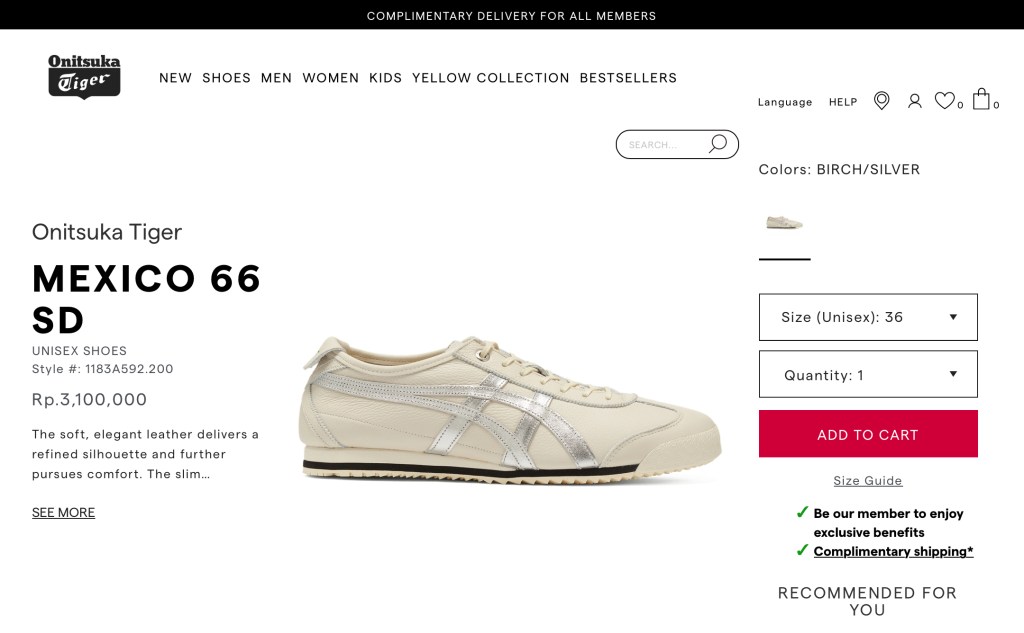
Back home in Indonesia, the same pair retails for around 3,100,000 rupiah. When I calculated it, the difference punched me harder than interval training. The Japan price was roughly 70% cheaper. Seventy. Not seven. Not “slightly cheaper because of tax.” Seventy percent. That’s not a discount — that’s a plot twist.
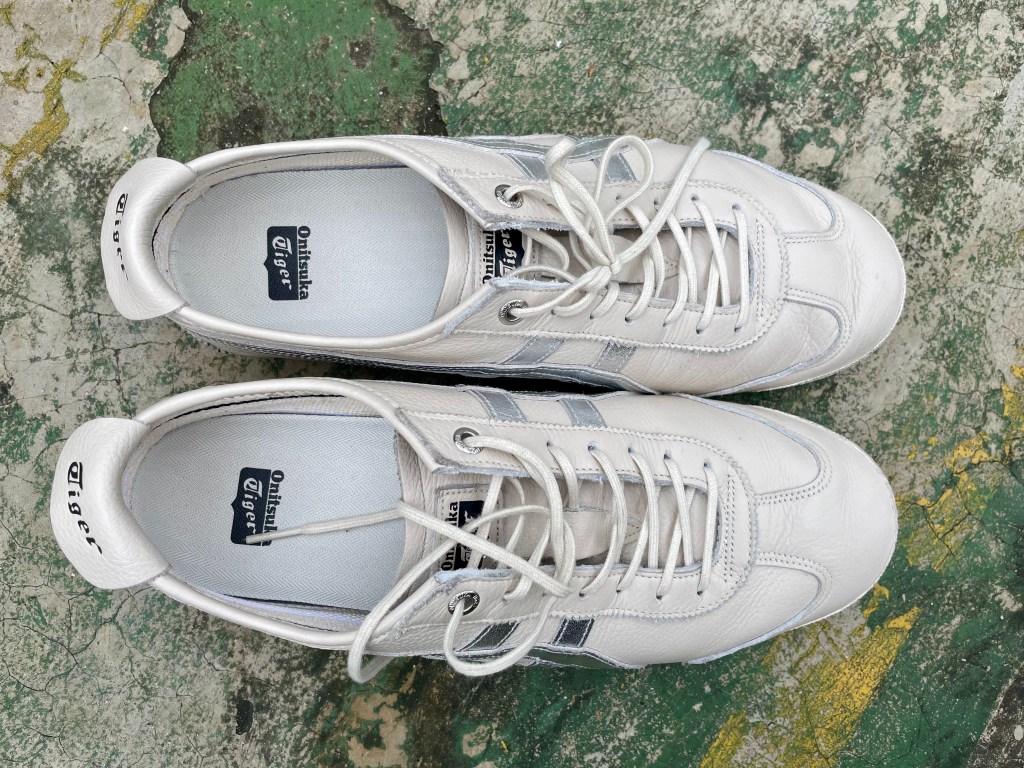
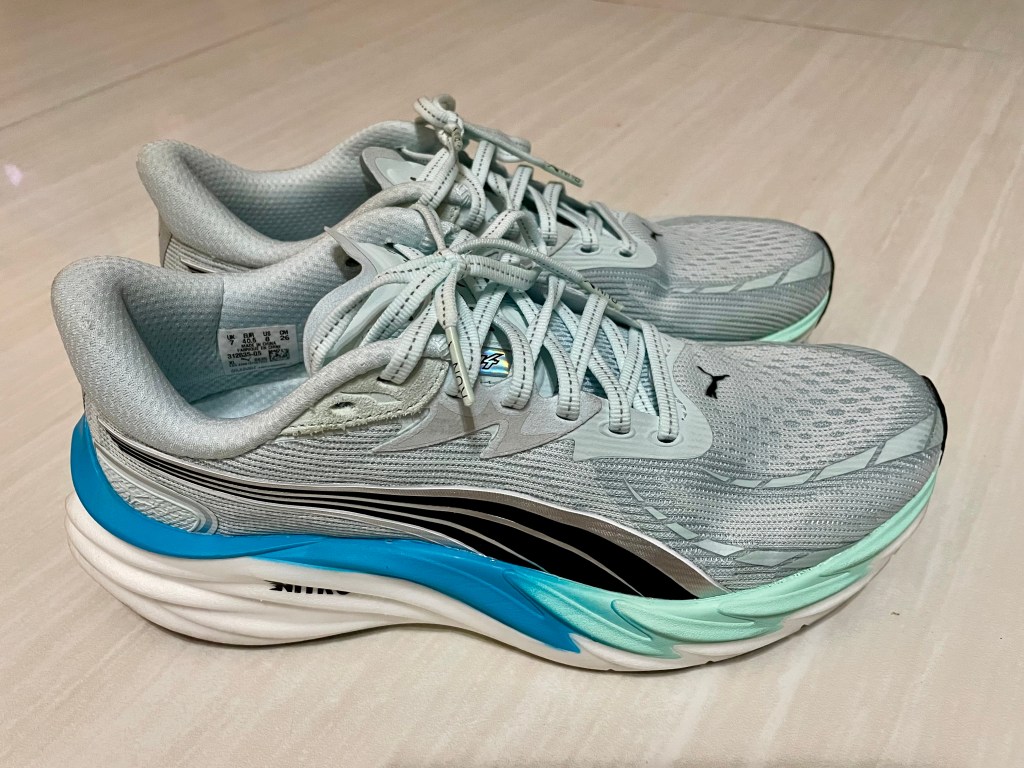
What makes it even funnier — or sadder — is the label inside the shoe. “Made in Indonesia.” I stared at it like it was mocking me. Wait… so this shoe is born in my country, shipped to Japan, sold cheaper there, and then imported back to my country at a luxury price? It’s like cooking fried rice at home, sending it overseas, and buying it back at five-star restaurant prices.
Logically, it doesn’t make sense. Wages in Indonesia are lower. Store rent is cheaper. Utilities are cheaper. Labor is cheaper. If anything, shoes should be cheaper at home. Distribution costs should also be minimal. The factory might literally be a few hours’ drive away. Meanwhile Japan has higher salaries, higher rent, and higher operating costs. Yet somehow they sell it cheaper. This feels like economic math written by a fantasy novelist.
So what’s happening? My personal theory is simple: layers. In Japan, brands often sell more directly through official stores with tighter margins and massive volume. In Indonesia, the shoes pass through distributors, importers, sub-distributors, mall markups, and “premium lifestyle positioning.” By the time it reaches us, everyone has taken a slice of the cake. Unfortunately, we’re the ones paying for the whole bakery.
There’s also the psychology factor. Imported brands are treated like luxury symbols at home. A sneaker isn’t just footwear — it’s status. Retailers know this. So instead of pricing for accessibility, they price for prestige. Meanwhile in Japan, sneakers are just… shoes. People wear them to work, to walk, to live. No drama. No flex. Just function. Ironically, the country that treats them casually sells them cheaper.
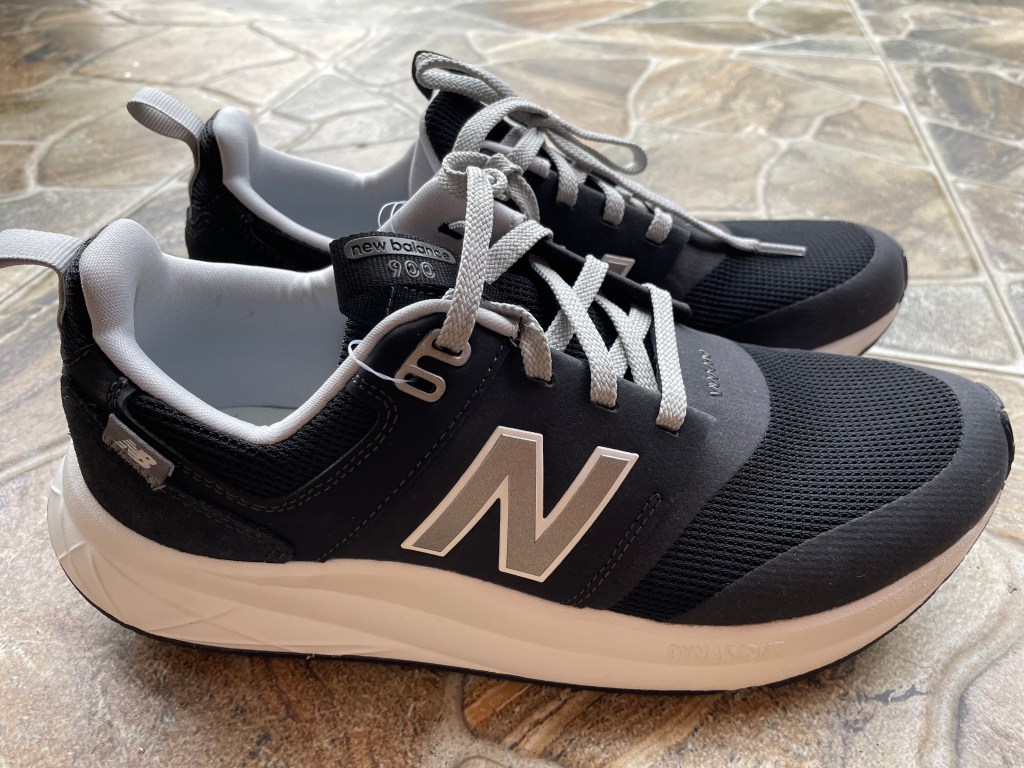
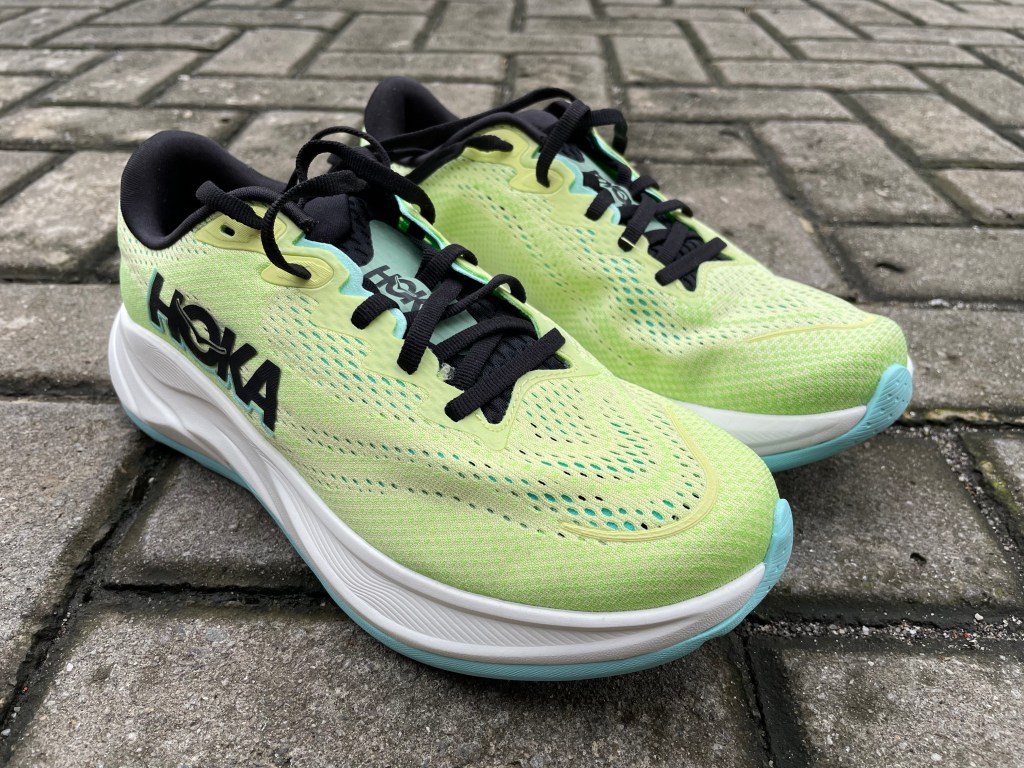
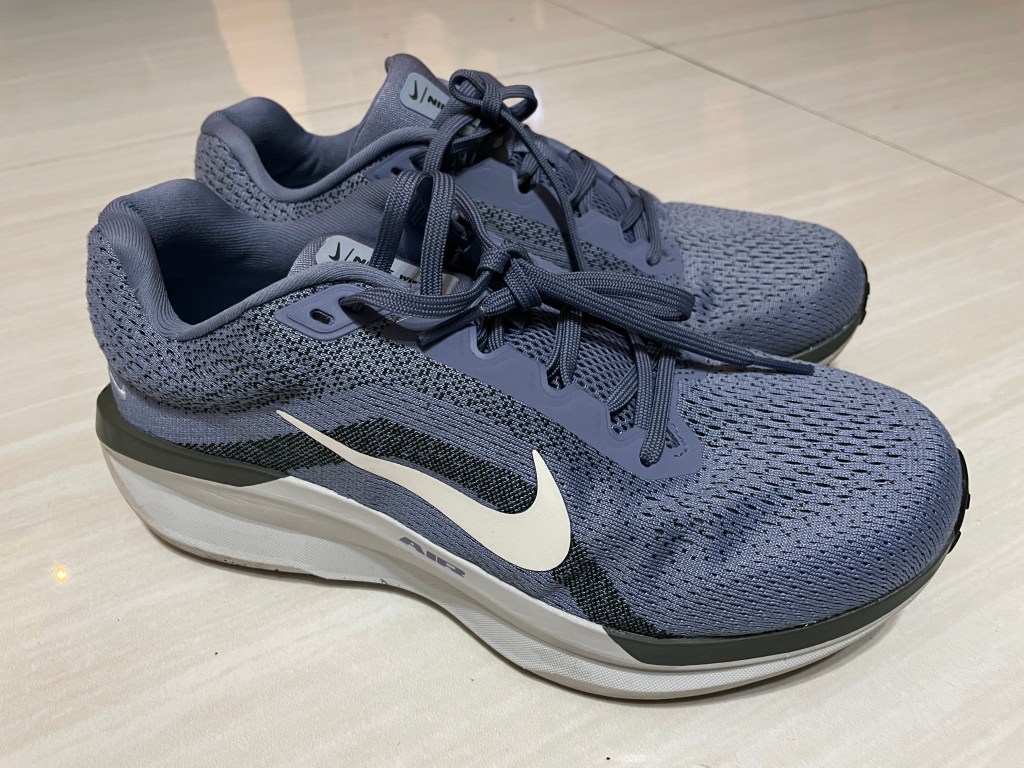
Now every time I shop for shoes abroad, I laugh when I see “Made in Indonesia” printed inside. It feels like my country is secretly giving me a hometown discount — just not at home. Maybe next time, instead of buying souvenirs, I’ll just bring an empty suitcase and fill it with my own exports. Who knew international travel would become my most reliable shoe sale strategy?


 Rundefeated
Leave a comment